





Orion SkyQuest XT10 Telescope

The Orion SkyQuest XT10 Classic is a visual powerhouse built around a 254mm parabolic mirror, delivering breathtaking views of planets, nebulae, and galaxies. Its classic Dobsonian base provides a stable, intuitive platform for effortless night-sky exploration.

Engineered for Superior Stargazing

The XT10 Classic combines a large, high-quality parabolic mirror with a simple, rock-solid mount. This synergy of optics and mechanics is engineered for stability, smooth operation, and delivering sharp, high-contrast views that bring the cosmos to life.
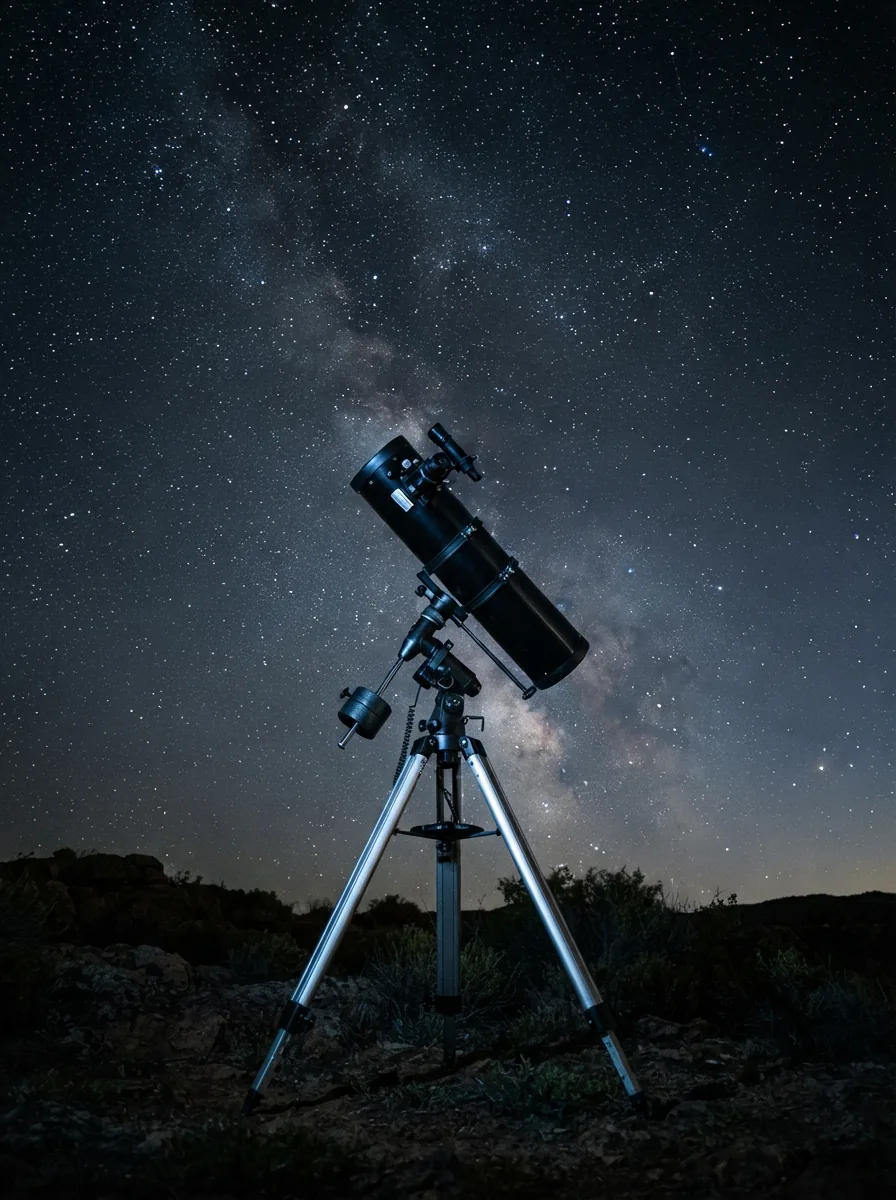
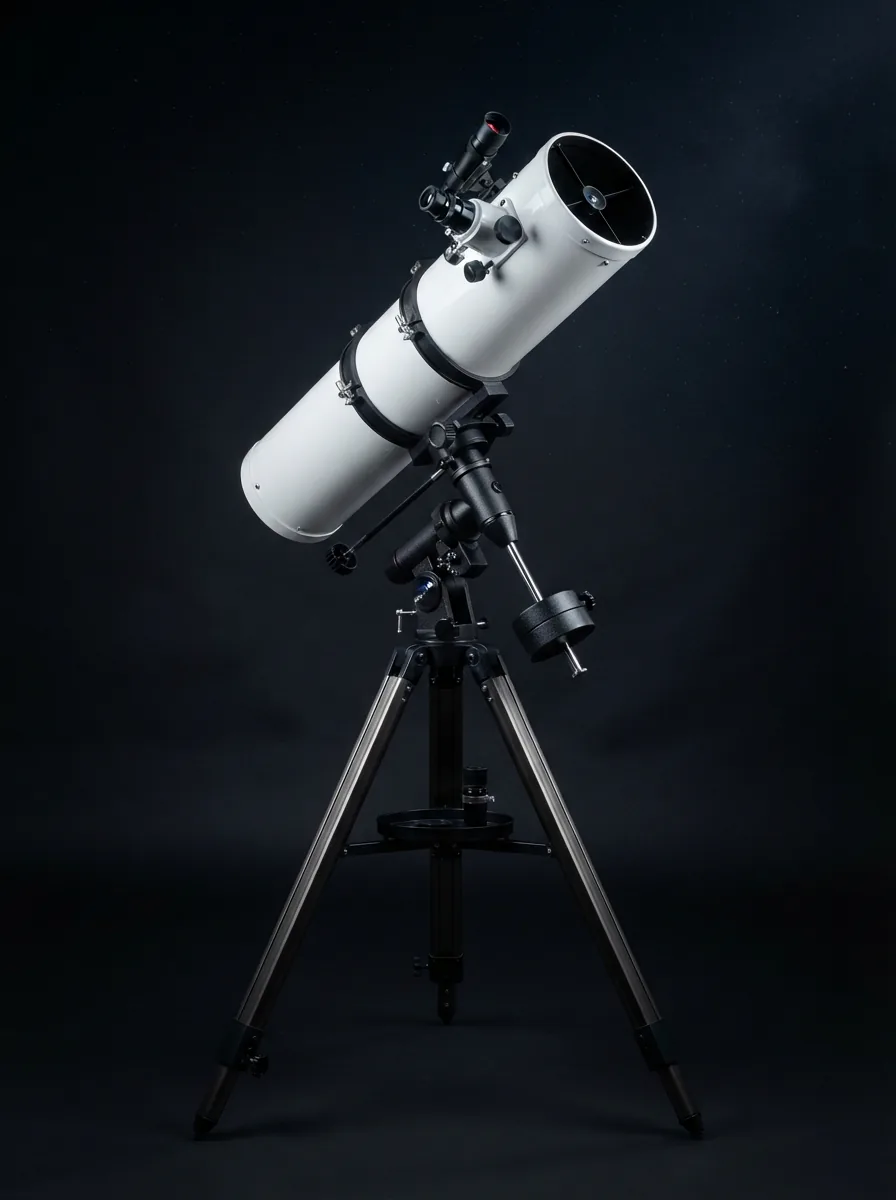
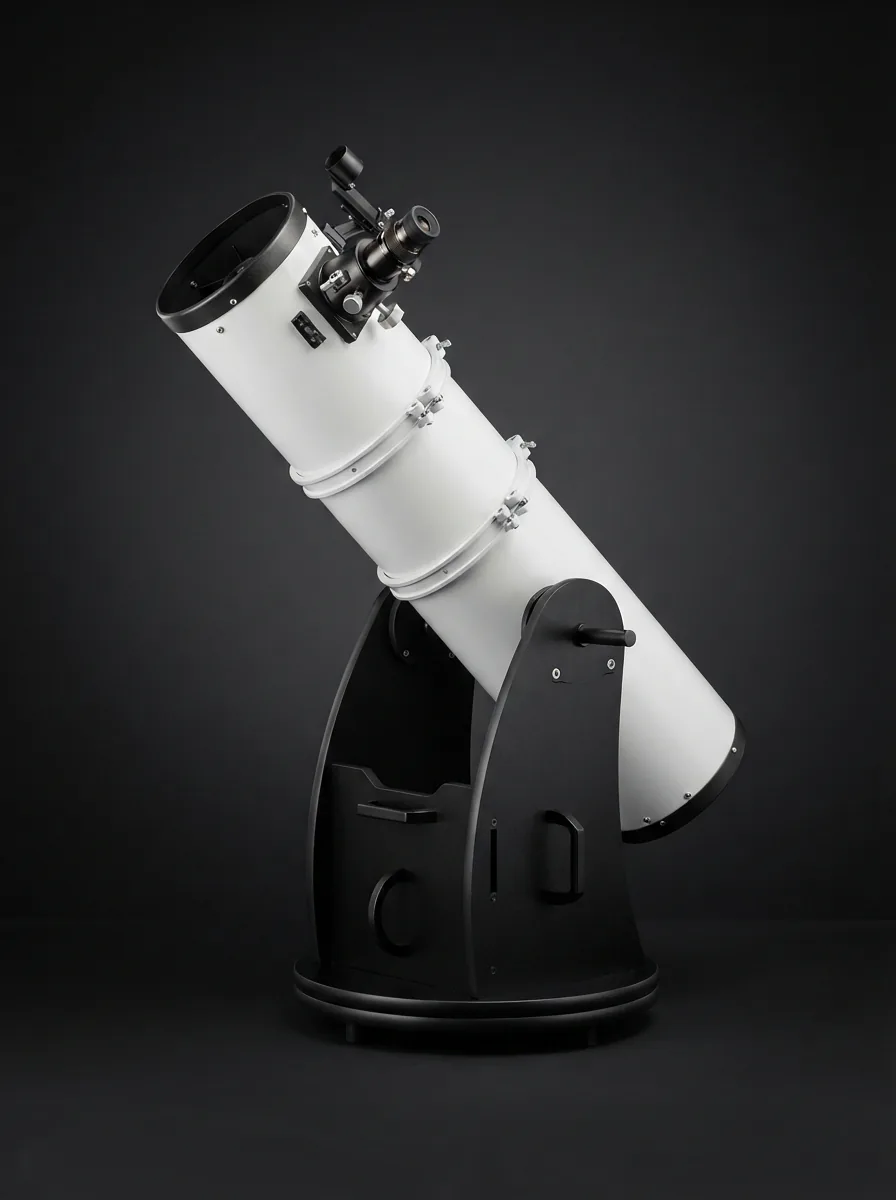
Detailed view of the Orion SkyQuest XT10 telescope's optical tube and base.

Unlock Deeper Views of the Night Sky

Experience deeper, clearer views of the cosmos with this large-aperture telescope, designed to gather over 1300 times more light than your eye. Its stable base makes tracking celestial objects a smooth, intuitive process, turning stargazing into a truly rewarding adventure.
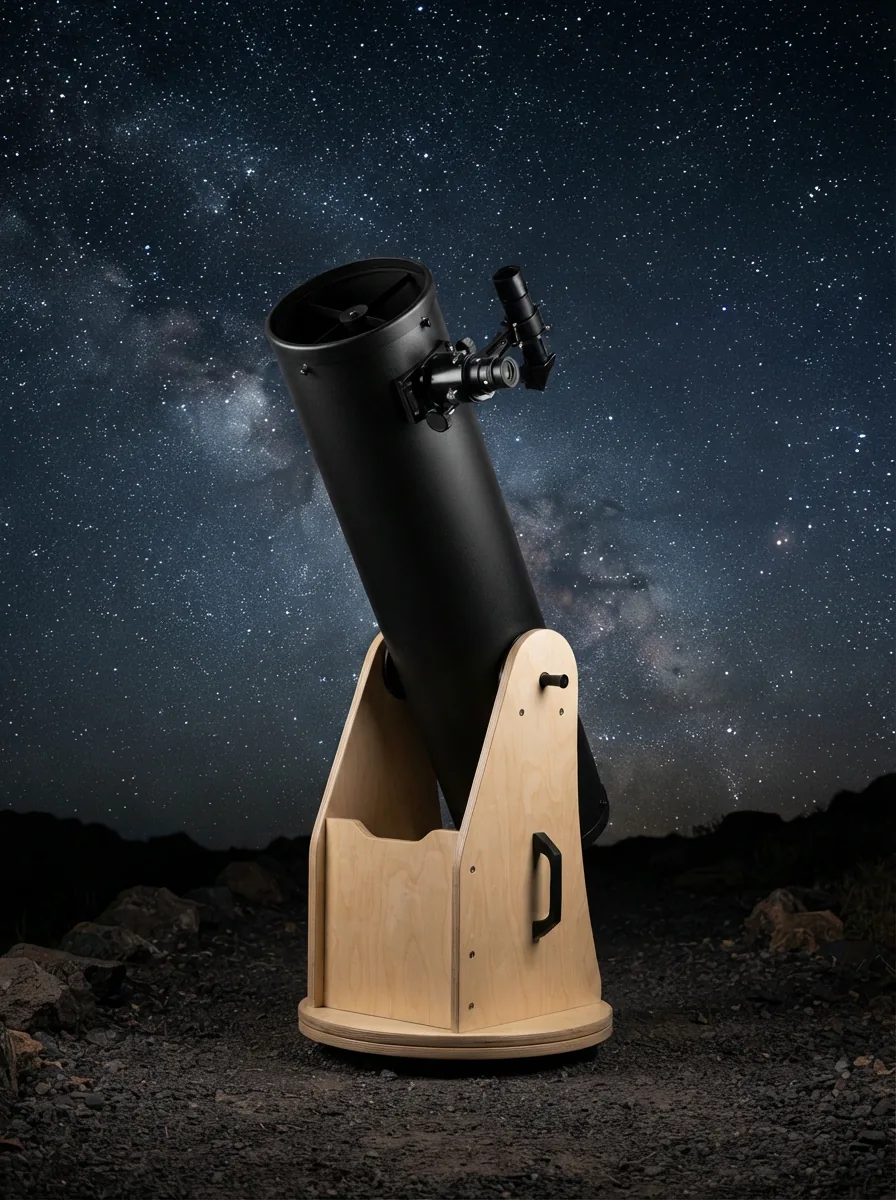
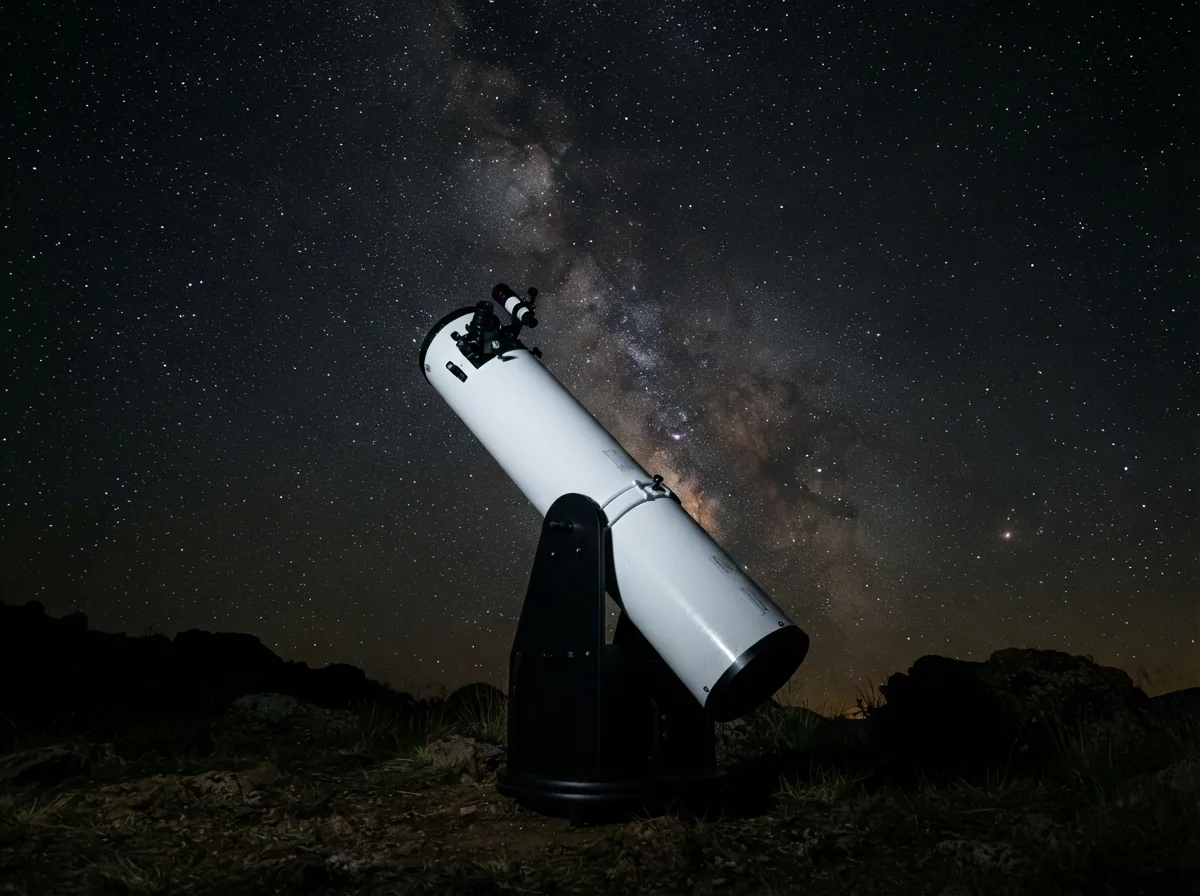
The Orion SkyQuest XT10 Classic Dobsonian Telescope pointed at a starry night sky.

Reveals Faint Deep-Sky Objects

The 10-inch mirror gathers immense light, revealing faint nebulae, galaxies, and star clusters in stunning detail not visible in smaller scopes.

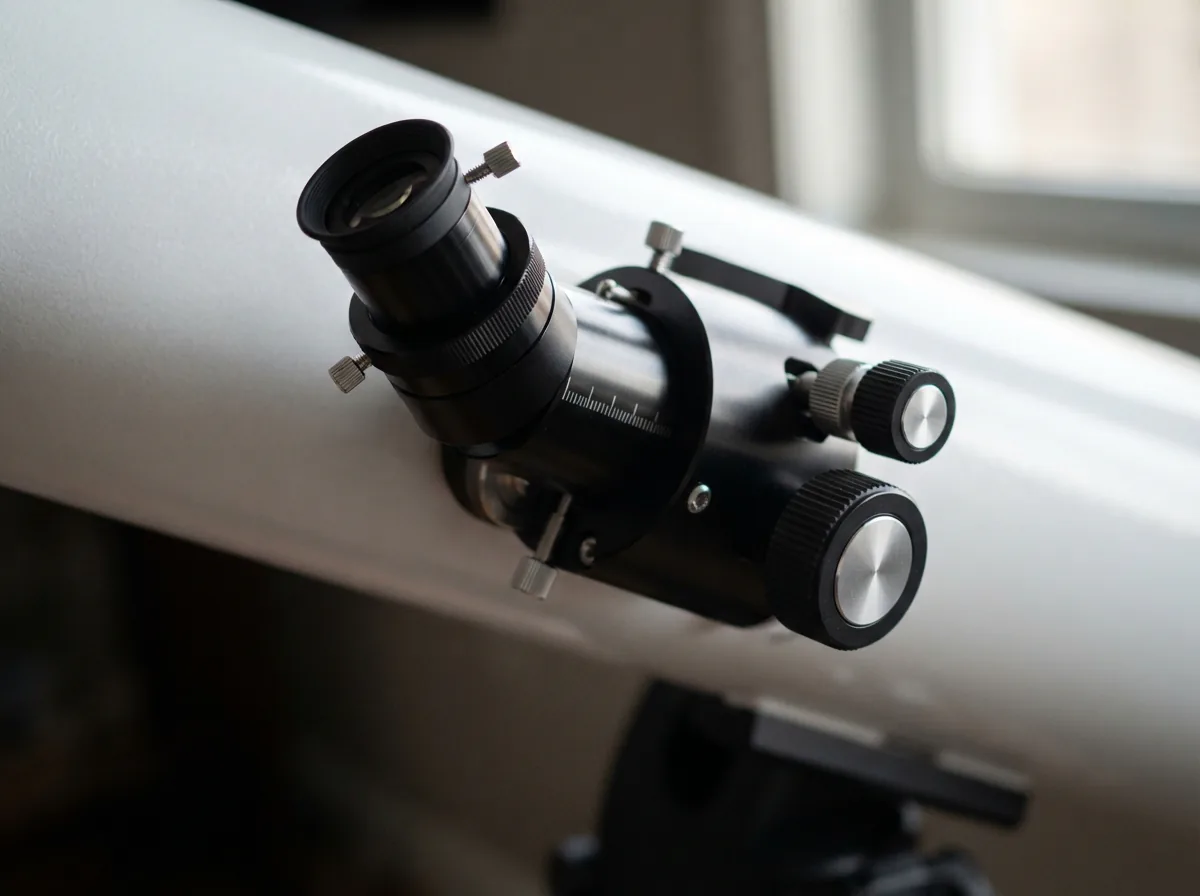
Close-up of the telescope's 2-inch Crayford focuser with an eyepiece inserted.

Smooth, Effortless Tracking

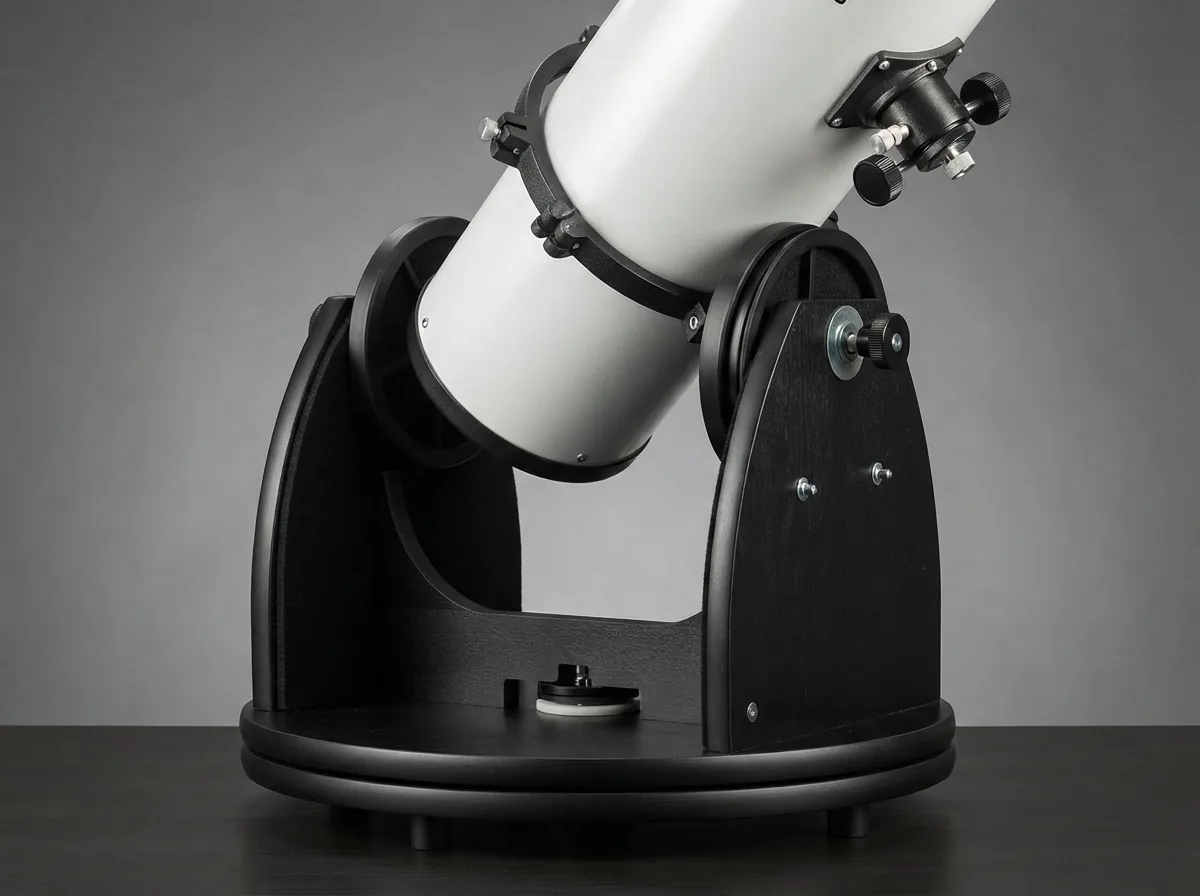
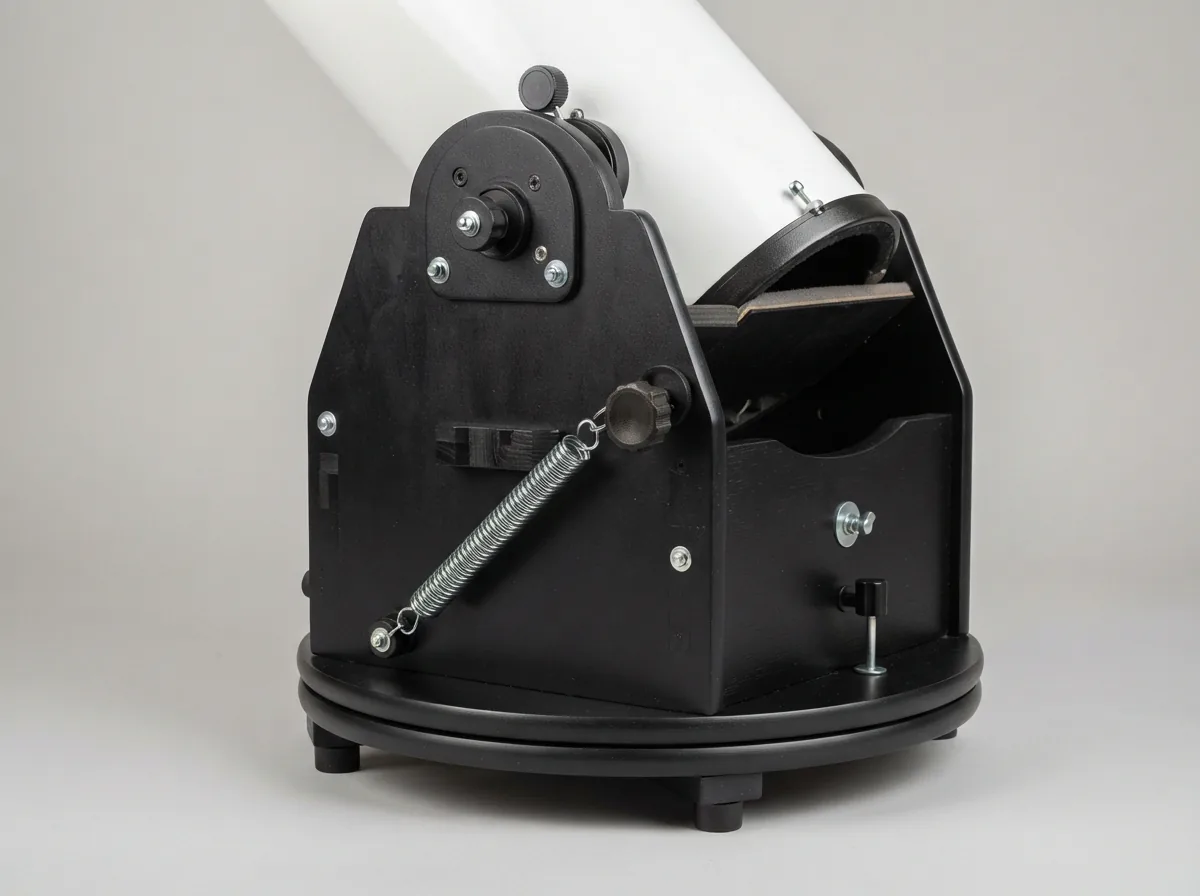
The CorrecTension base keeps the tube perfectly balanced, allowing you to nudge it smoothly to follow planets or scan the Milky Way.

The Dobsonian base showing the CorrecTension friction optimization system.

Portable for Dark-Sky Sites

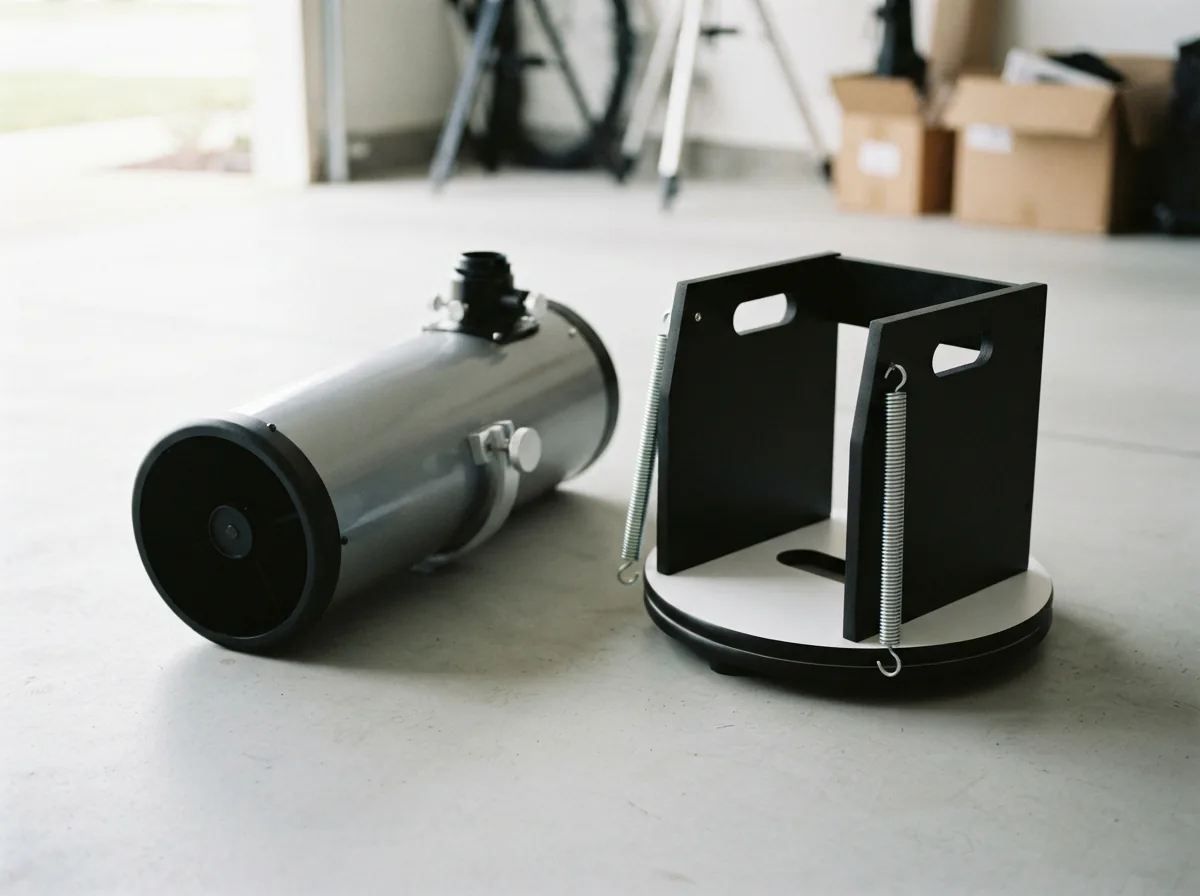
Unhook the springs to separate the telescope into two pieces, each under 25 lbs, making transport to dark-sky sites simple and manageable.

The telescope separated into its two main pieces for transport.

Includes Essential Accessories

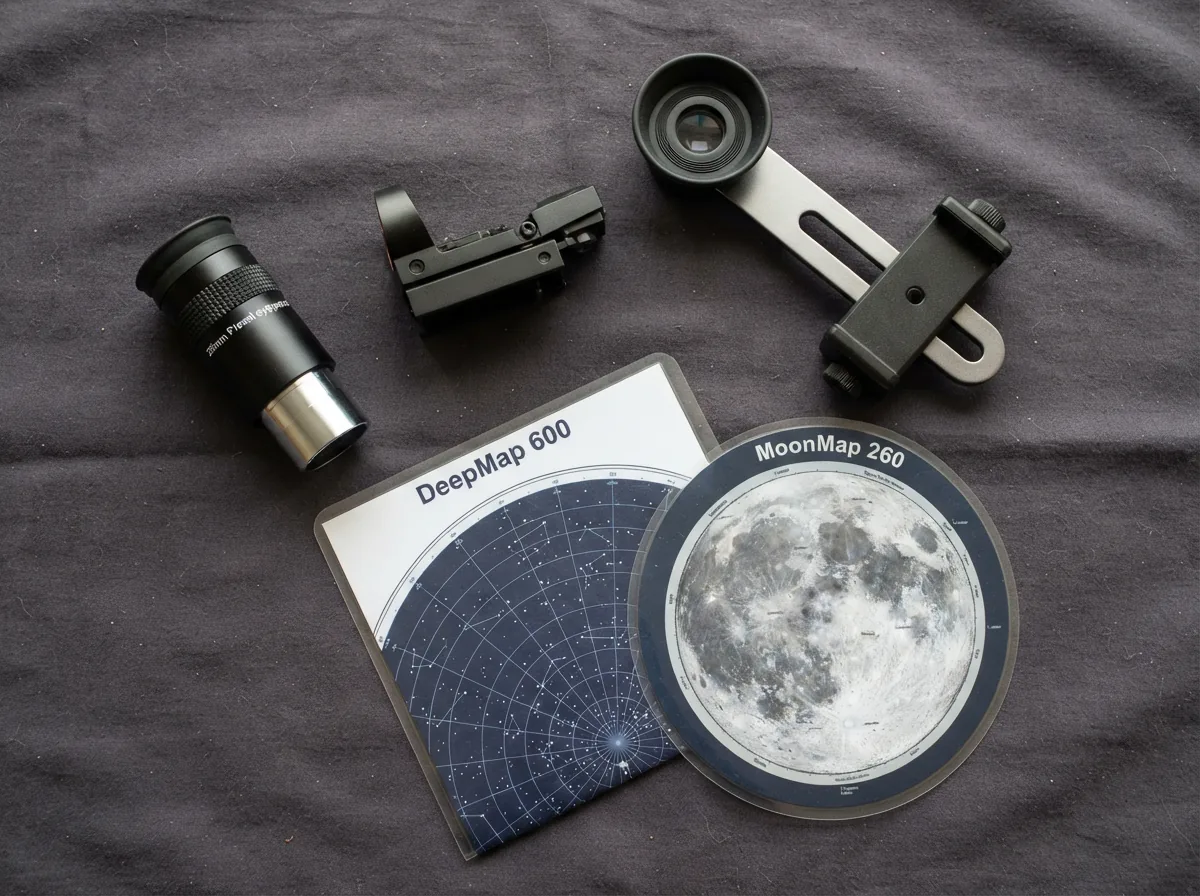
Comes ready to observe with a quality Plossl eyepiece, star charts, and a moon map, so you can start your journey immediately.

The included accessories: eyepiece, star charts, moon map, and smartphone adapter.

Reliable Expert Engineering

Built with expert engineering and backed by a satisfaction guarantee, this telescope is a reliable partner for years of celestial exploration.

Perfect For

Designed for Dedicated Stargazers

Aspiring Serious Beginners

With its large aperture and stable mount, the XT10 is ideal for beginners ready to invest in a serious instrument that will reveal wonders they've never seen before.

Upgrading from a Smaller Scope

Observers moving up from smaller telescopes will appreciate the dramatic increase in light-gathering power, enabling clear views of fainter galaxies and nebulae.

Dark-Sky Site Travelers

The transportable two-piece design makes it practical to take to darker skies, where its 10-inch aperture truly shines for observing deep-sky objects.

Dedicated Planet Observers

Its smooth, precise motion and ability to achieve high magnifications make it a superb choice for detailed views of planets, the Moon, and double stars.

Suburban Backyard Explorers

Backyard astronomers can enjoy sweeping views of the Milky Way, star clusters, and bright nebulae without leaving home, thanks to its excellent light-gathering capability.

Star Party & Club Use

Astronomy clubs and public star parties benefit from the XT10's ease of use and stunning views, making it a crowd-pleaser for sharing the cosmos.

Getting Started Guide

From Unboxing to First Light

Follow these essential steps to set up, align, and begin observing with your new Orion SkyQuest XT10 Dobsonian Telescope. Proper preparation ensures you get the most out of your first light and every session after.
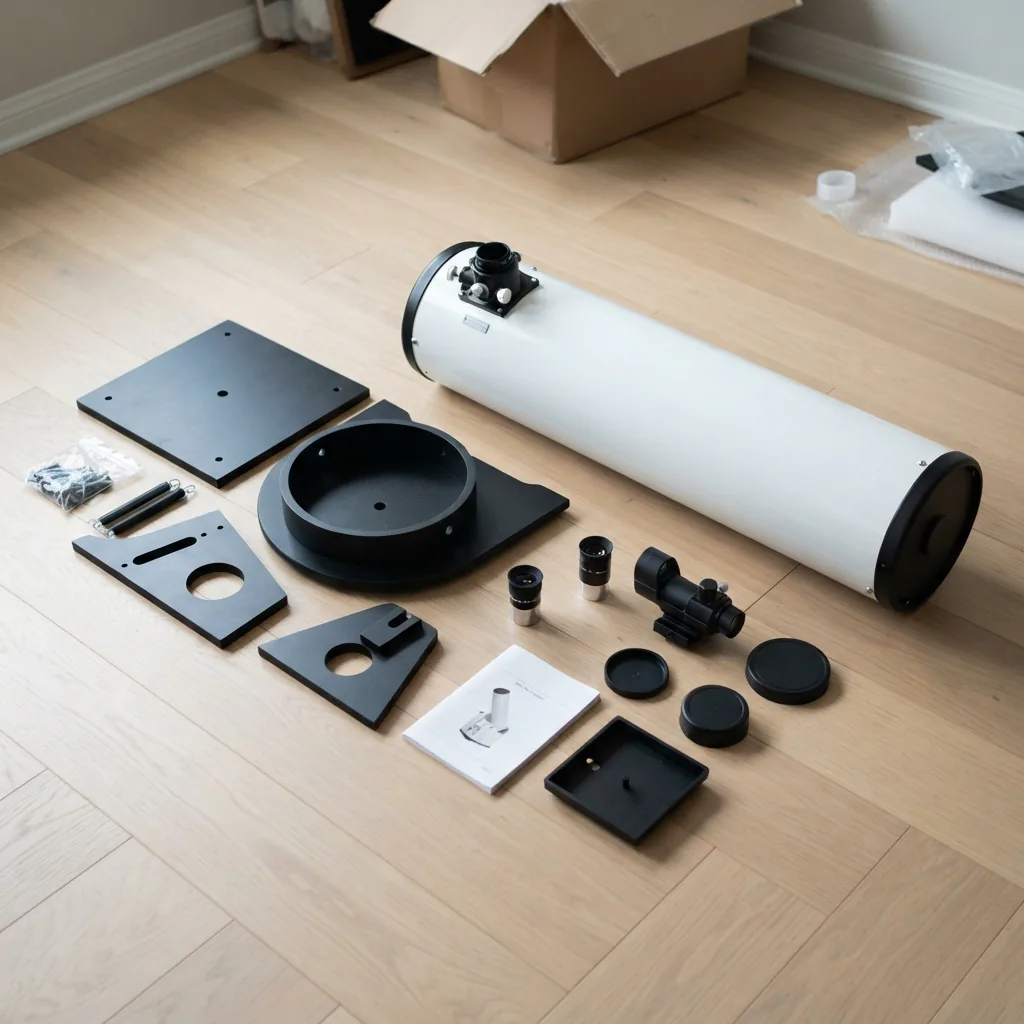
The telescope components laid out after unboxing.

1. Inventory All Parts

Carefully unbox the optical tube and base components. Locate all parts using the included checklist to ensure nothing is missing before beginning assembly.

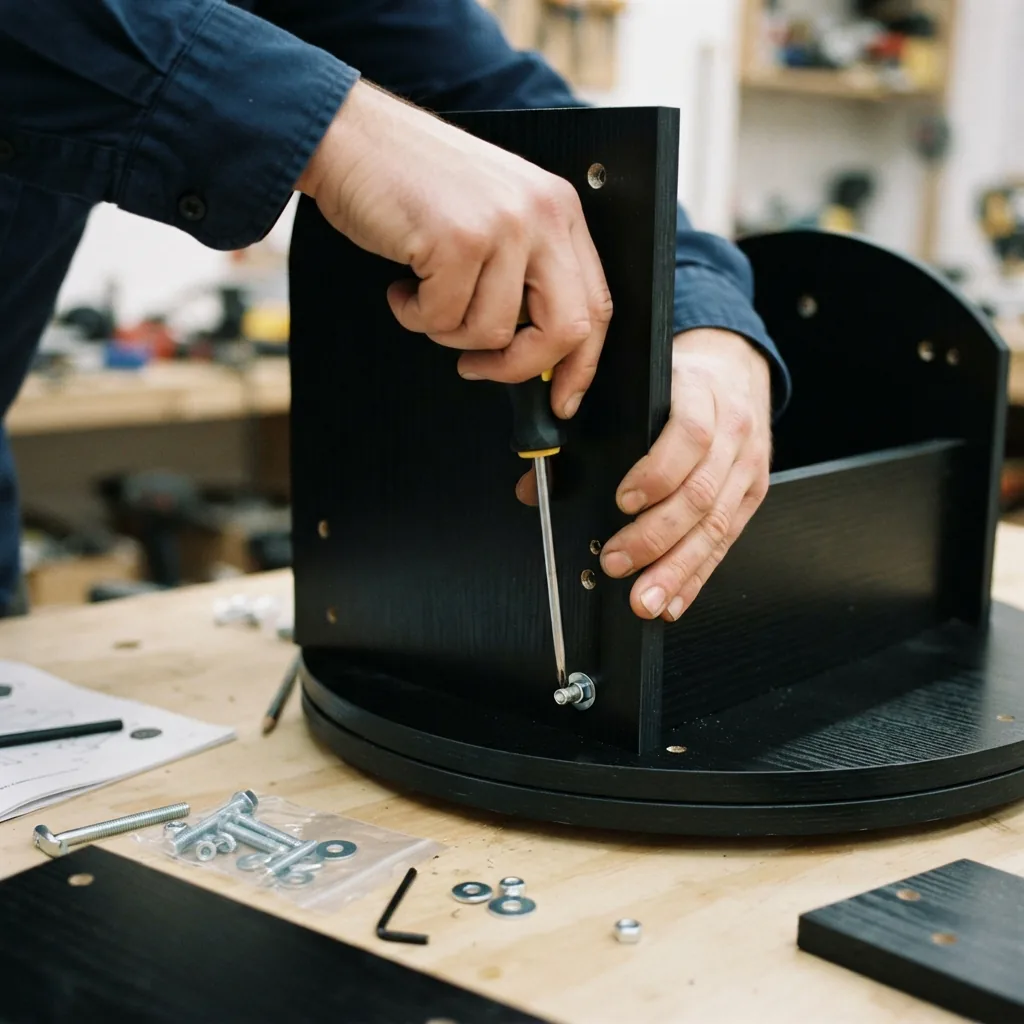
Assembling the wooden panels of the Dobsonian base.

2. Assemble the Base

Assemble the Dobsonian base according to the instructions. Ensure all panels are securely fastened to create a stable, wobble-free platform for the optical tube.

Placing the optical tube onto the assembled base.

3. Mount the Optical Tube

Lift the optical tube and gently place it into the cradle on the assembled base. Attach the tension springs from the CorrecTension system to balance and secure the tube.

Aligning the red dot finder with a distant object.

4. Align the Finder

Attach the red dot reflex finder to its bracket on the optical tube. Look through the finder and adjust its alignment screws until its red dot matches the position of a distant, stationary object seen through the main telescope.

Looking through the telescope's eyepiece at the Moon.

5. Observe with Low Power

Start with the lowest power eyepiece (25mm) for the widest field of view. Place your eye near the eyepiece and use the base's smooth motion to center an object like the Moon or a bright planet in the field of view.

Using the star chart under a red flashlight in the dark.

6. Let Your Eyes Adapt

Allow your eyes to adapt to the darkness for 20-30 minutes. Use the included Orion MoonMap and DeepMap 600 to learn constellations and locate interesting deep-sky objects for your first observing targets.

Stargazer Experiences

Real Observations from Real Users

Hear from amateur astronomers who have used the Orion SkyQuest XT10 to explore the night sky. Their experiences highlight the telescope’s performance, ease of use, and the deep-sky wonders it reveals.
My first target was the Orion Nebula, and I was speechless. The wisps of gas and the Trapezium cluster were crystal clear. The base moves so smoothly, tracking is easy. This telescope changed my hobby completely.
Decorative customer review avatar icon 1
StarGazer_Mike
Took it to a dark site, and the views of the Andromeda Galaxy were mind-blowing. I could see the dust lanes! The 10-inch mirror gathers so much light. It's heavy but splitting it into two parts for transport makes it worth it.
Decorative customer review avatar icon 2
Cosmic Explorer
Upgraded from a small refractor. The difference for planets is huge. Jupiter's bands and the Cassini division in Saturn's rings are sharp and defined. The focuser is smooth and precise. A fantastic value for this aperture.
Decorative customer review avatar icon 3
PlanetaryWatcher
I use this in my suburban backyard and it still impresses. The Moon is absolutely stunning, and I can find globular clusters with ease. The included star charts are helpful. It's a substantial instrument that feels built to last.
Decorative customer review avatar icon 4
Nebula Hunter
I was worried about setup, but it's intuitive. Aligning the finder was the trickiest part, but the manual explains it well. Within an hour of first setup, I was seeing Saturn's rings. The reward is immediate with this scope.
Decorative customer review avatar icon 5
NightSkyNewbie
For under $900, getting 10 inches of aperture is incredible. It pulls in so much light that faint galaxies that were invisible in my 6-inch scope are now glowing smudges of light. The stability of the base is impressive.
Decorative customer review avatar icon 6
Deep Sky Drew

Your Questions, Answered

Have questions about setup, what you can see, or how to get started with a large Dobsonian telescope? Here are answers to common concerns to help you decide if this powerful instrument is the right choice for your astronomical journey.
The XT10 breaks down into two pieces, each under 25 pounds. The optical tube can be carried under one arm, and the base is a separate, lightweight unit. This design makes it much easier to transport to darker viewing sites away from city lights.
With its 254mm aperture, you can see Saturn’s rings, Jupiter’s cloud bands and moons, lunar craters in sharp detail, and deep-sky objects like the Orion Nebula, the Andromeda Galaxy, and many star clusters. Its light-gathering power reveals faint fuzzies invisible to the naked eye.
Assembly is straightforward. You’ll attach the optical tube to the base, insert the red dot finder, and learn to align it with the main telescope. The included MoonMap and star chart help you navigate the night sky and find your first targets easily.
The Dobsonian mount is inherently stable and simple to operate. The CorrecTension system ensures smooth, controlled motion. For planets, you gently nudge the tube to keep them in view. For deep-sky objects, you point it at the approximate area of sky and explore visually.
The telescope is designed for visual observation. While you can attempt photos by holding a smartphone to the eyepiece using the included adapter, serious astrophotography typically requires different, specialized equipment. Its strength is delivering breathtaking views to your eye.
The optical tube is large, roughly 4 feet long, and will require a vehicle with sufficient trunk or backseat space. Planning your transport by separating the tube from the base first is key. Its portable design is a major advantage over other telescopes of similar aperture.
A person setting up the Orion SkyQuest XT10 telescope in a backyard.
The telescope aimed at the planet Jupiter in the night sky.
Explore More

Complete Your Astronomy Setup

The Orion SkyQuest XT8 Classic Dobsonian Telescope shown in a full studio shot against a dark background.
SkyQuest Dobsonian Telescopes

Orion SkyQuest XT8 Dobsonian Telescope

The Orion SkyQuest XT8 Classic Dobsonian Telescope combines a powerful 8-inch aperture with point-and-view simplicity, making it the ideal instrument for beginners to discover the solar system and deep-sky wonders in bright, vibrant detail.
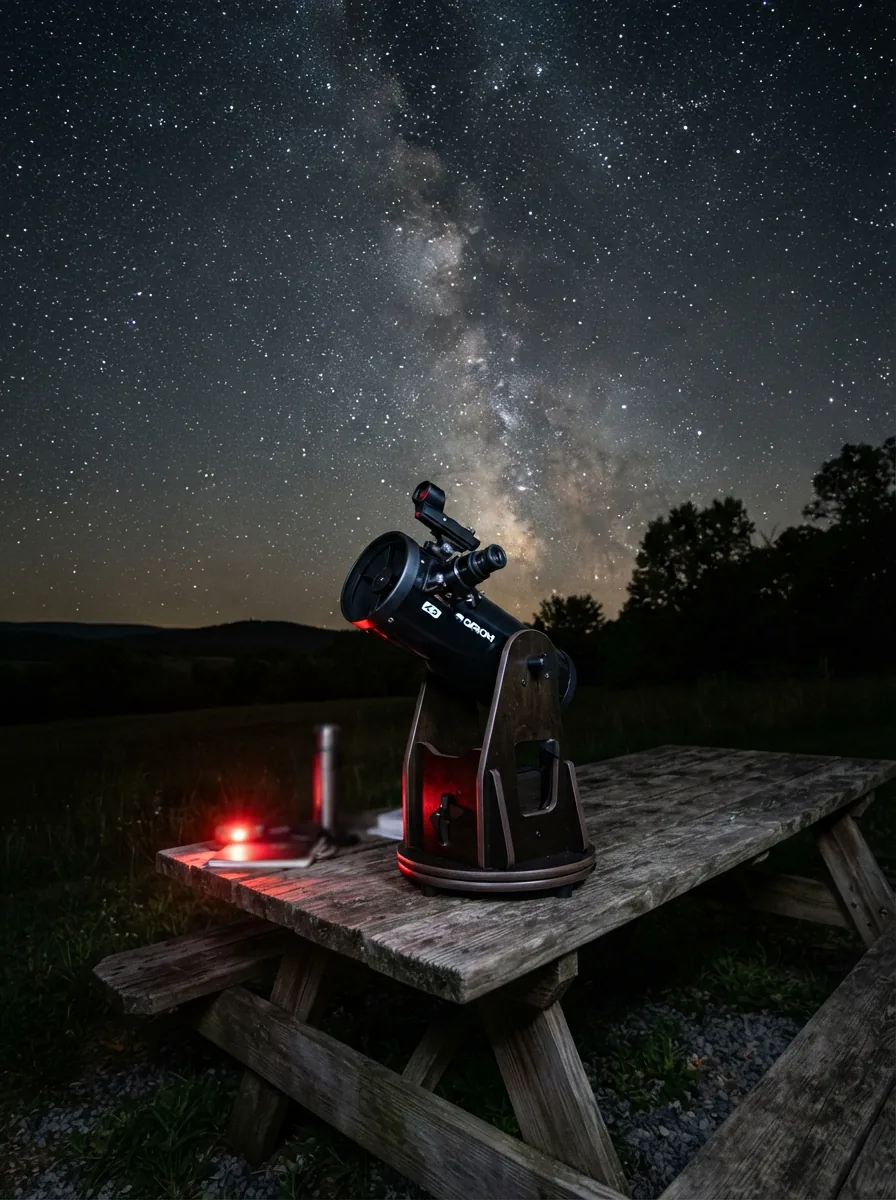
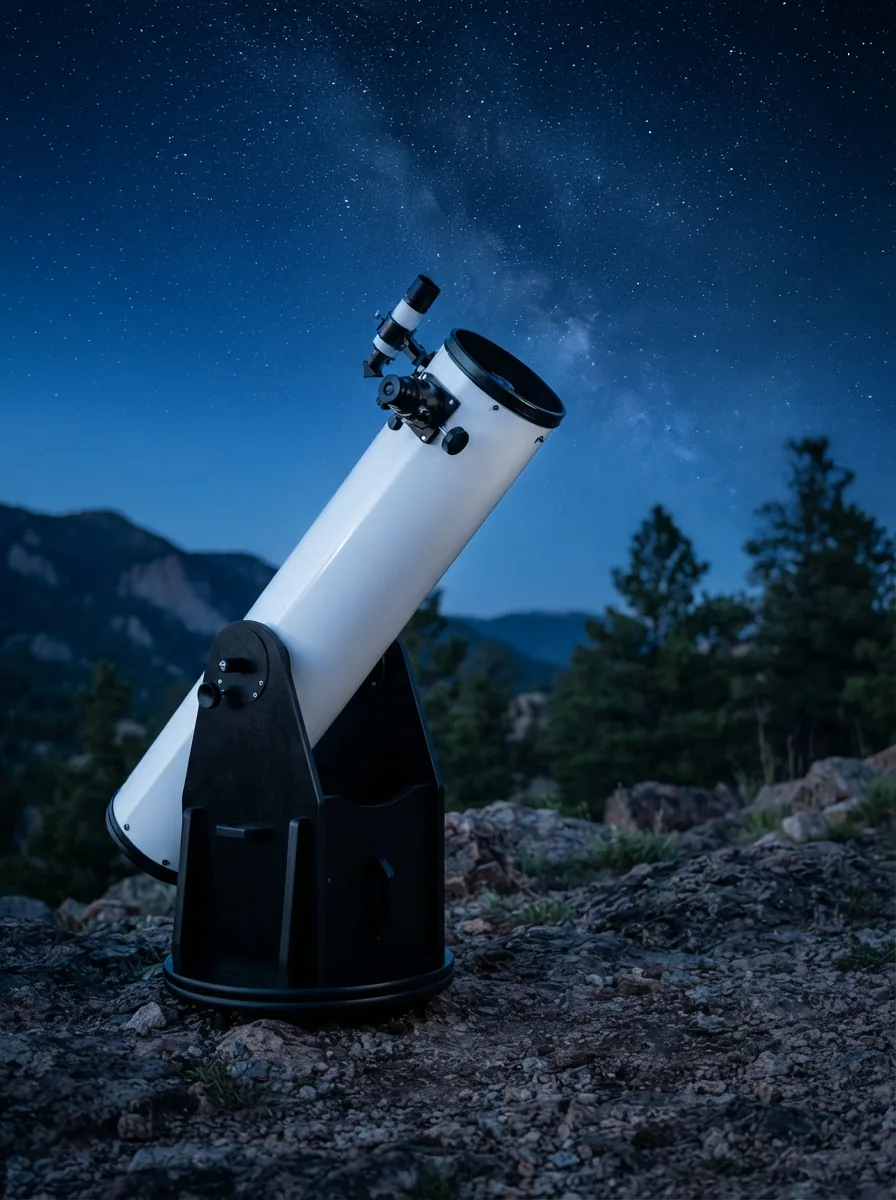
An Orion StarBlast telescope set up on a table under a starry night sky
StarBlast Telescopes

Orion StarBlast Telescope

Explore the Orion StarBlast telescope collection, a range of beginner-friendly reflectors designed for stunning lunar and planetary views. Compare tabletop simplicity with equatorial precision and complete starter kits to find your perfect entry into astronomy.

The Orion SkyQuest XT6 Classic Dobsonian Telescope fully assembled and positioned against a twilight sky.
SkyQuest Dobsonian Telescopes

Orion SkyQuest XT6 Dobsonian Telescope

Reveal the wonders of the cosmos with the Orion SkyQuest XT6, a 6-inch Dobsonian telescope offering bright, detailed views of planets, moons, and deep-sky objects. Its intuitive point-and-view design makes it the ideal, powerful starter telescope.

The Orion SpaceProbe 130ST telescope as the central subject against a dramatic night sky backdrop.
SpaceProbe & 130ST Telescopes

Orion 130ST Telescope

The Orion SpaceProbe 130ST EQ is a quality reflector telescope for more serious beginning stargazers. Its fast parabolic mirror gathers ample light, revealing details in deep-sky objects like galaxies and nebulae that smaller telescopes miss.

The Orion StarBlast 4.5 EQ Reflector Telescope prominently displayed as the main product image.
StarBlast Telescopes

Orion StarBlast 4.5 EQ Telescope

This reflector telescope offers a sizable 4.5-inch aperture and fast optics on a responsive equatorial mount, delivering bright, detailed views ideal for advancing your stargazing journey.

Orion SkyQuest XT8 Classic Dobsonian Telescope displayed prominently against a starry background.
Telescope Types & Sizes

Orion 8 Inch Dobsonian Telescope

The Orion SkyQuest XT8 Classic Dobsonian is the ultimate entry into serious amateur astronomy. Its massive 8-inch mirror gathers breathtaking light, revealing details invisible to smaller scopes, all from a simple, stable platform.