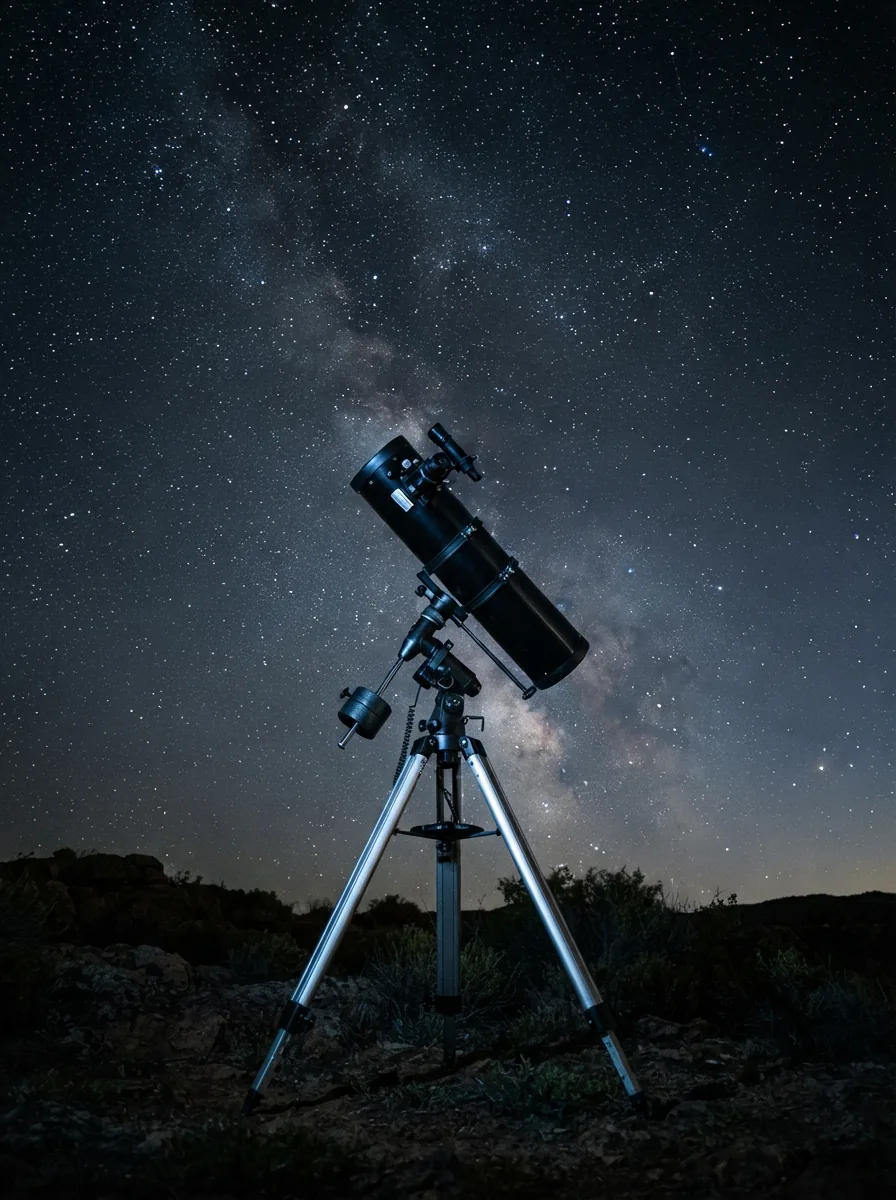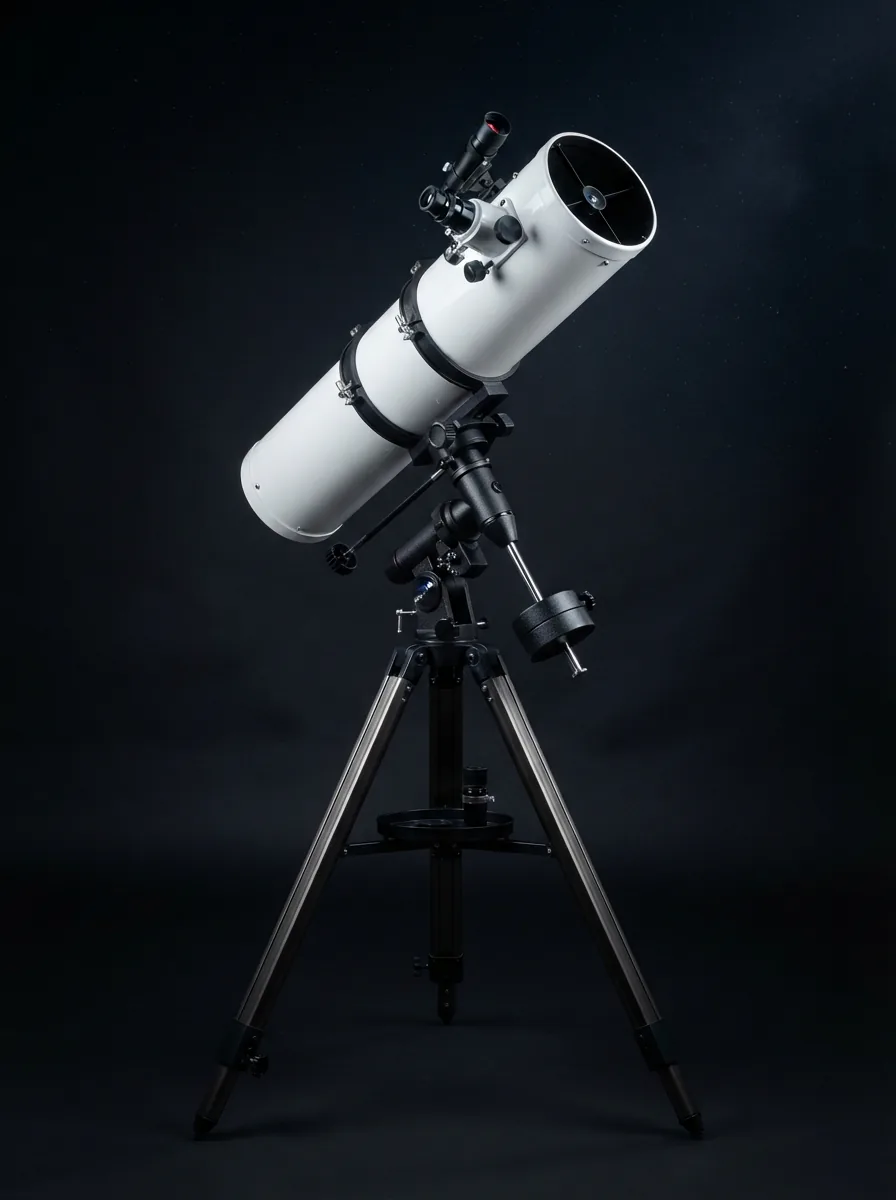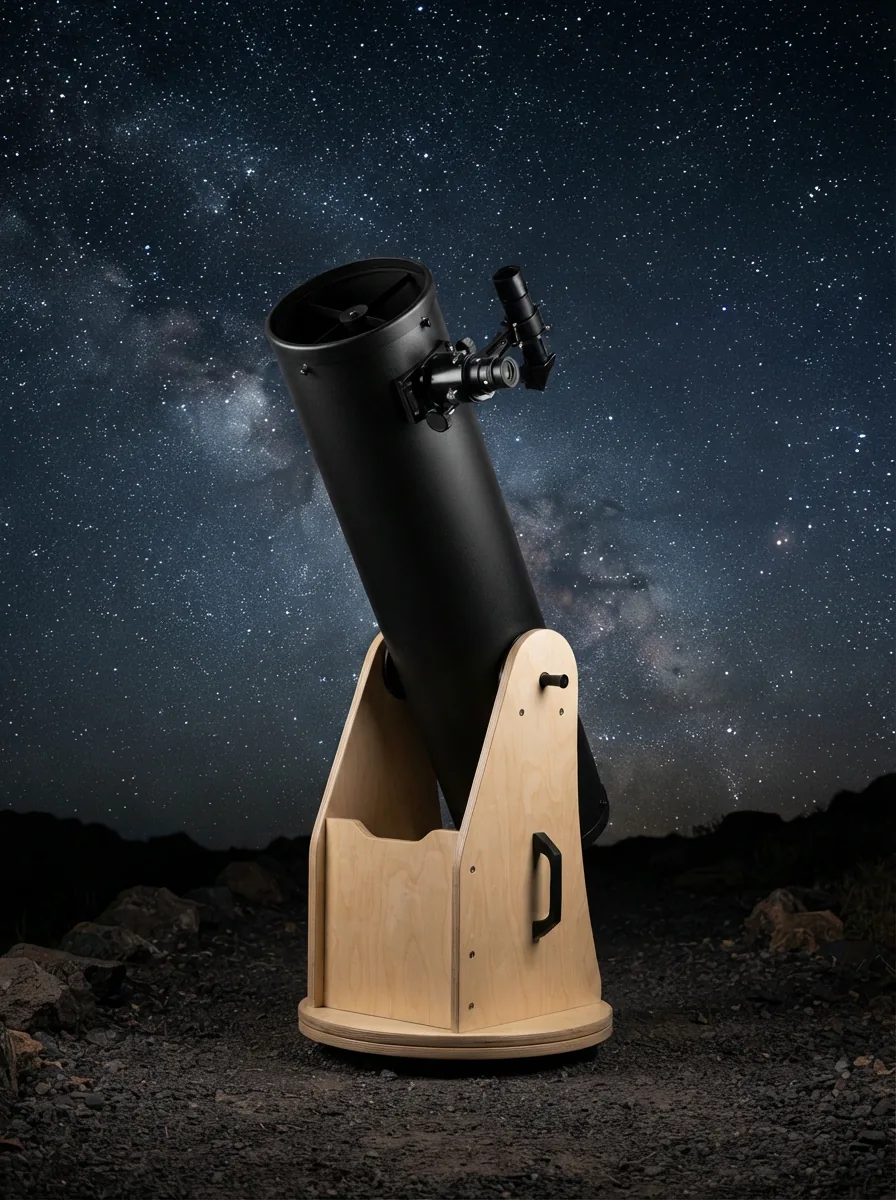





Orion Equatorial Mount

Explore the complete range of Orion equatorial mounts, from portable manual systems to computerized GoTo platforms for astrophotography. Find the stable foundation you need for precise celestial tracking and deep-sky observation.

Versatile Equatorial Platforms

Entry-Level

Orion EQ-13 Equatorial Telescope Mount and Tripod

This sturdy mount and tripod combo is designed for beginner astronomers stepping up to equatorial tracking. The EQ-13 provides a stable platform for smaller telescopes, helping you follow the moon and planets with smooth manual controls as you learn the night sky.
Motorized

Orion EQ-26 Motorized Equatorial Telescope Mount and Tripod

Building on manual stability, the EQ-26 adds dual-axis motor drives for automated sidereal tracking. This mount is ideal for intermediate observers who want consistent tracking for extended visual sessions or entry-level astrophotography without a computer.
Manual Precision

Orion SkyView Pro EQ-1 Mount

The SkyView Pro EQ-1 is a compact German equatorial mount for observers prioritizing smooth, manual motion. Its intuitive right ascension and declination controls are perfect for learning star-hopping techniques and achieving precise pointing with small to medium telescopes.
Advanced GoTo

Orion Atlas EQ-G GoTo Equatorial Mount

For the serious astrophotographer, the Atlas EQ-G offers a powerful combination of high payload capacity and a vast GoTo database. Its dual-axis motors and robust construction provide the stability needed for long-exposure imaging of galaxies and nebulae.
Portable

Orion Mini-EQ Equatorial Tabletop Mount

This compact tabletop mount brings equatorial tracking to small telescopes and spotting scopes. The Mini-EQ is lightweight and easy to set up, offering simple polar alignment for quick, portable observations of the moon, planets, and brighter star clusters.
User-Friendly GoTo

Orion StarSeeker IV GoTo Equatorial Mount

The StarSeeker IV combines a sturdy equatorial mount with a user-friendly GoTo system. It simplifies setup and object location, making it an excellent choice for enthusiasts who want the benefits of automated tracking without a steep learning curve.

Orion AstroView EQ Telescope Mount: Learning Equatorial Tracking with Smooth, Manual Controls

The AstroView EQ mount is an excellent starting point for observers learning equatorial tracking. Designed for Orion’s AstroView refractor and reflector telescopes, it provides a stable, vibration-free platform. Its smooth, adjustable slow-motion controls in both right ascension and declination allow for precise manual tracking of celestial objects as they drift across the sky, making it ideal for practicing star-hopping techniques and understanding the night sky’s motion.
Trusted by Observers

Featured Equatorial Solutions

Orion AstroView Equatorial Telescope Mount for Beginner Tracking and Star-Hopping Practice

Designed for the AstroView refractor series, this mount provides an excellent entry point into equatorial tracking. Its smooth slow-motion controls teach the fundamentals of star-hopping and manual celestial navigation for the developing astronomer.

Orion Axis Track EQ-EQ6 High-Precision Equatorial Mount Head for Permanent Observatory Installations

This high-performance mount head is engineered for advanced astrophotography. Without a tripod, it’s intended for permanent pier installation, offering exceptional tracking accuracy and a large payload capacity for long-exposure imaging rigs.

Orion Equatorial Wedge Accessory for Dobsonian Telescopes Adding Smooth Tracking to Manual Bases

This specialized accessory converts a Dobsonian base into an equatorial platform. It adds smooth, single-axis tracking to an otherwise manual telescope, significantly enhancing the view of planets and deep-sky objects during longer observing sessions.

Orion EQ Power Guide Autoguider System for Precision Astrophotography Tracking Corrections

For precision astrophotography, this autoguiding system provides constant corrections to your mount’s tracking. It locks onto a guide star and sends micro-adjustments, ensuring pinpoint stars in long-exposure images of faint nebulae and galaxies.
Your Observing Goals

Which Mount Fits Your Sky?

Visual Stargazing

A lightweight, manual equatorial mount like the Mini-EQ is easy to set up and perfect for quick visual observations of the moon, planets, and bright star clusters.

Extended Visual Sessions

A mount with motorized tracking, like the EQ-26, keeps objects centered for hours, allowing you to study planetary details or view faint nebulae without constant adjustment.

Easy Object Location

A computerized GoTo mount automates finding and tracking, helping beginners learn the sky and saving experienced observers time to focus on viewing or imaging.

Deep-Sky Astrophotography

For capturing long-exposure images of deep-sky objects, you need a stable, motorized equatorial mount with precise tracking and high payload capacity, like the Atlas EQ-G.

Permanent Observatory Setup

A permanent observatory pier like the Titan, paired with a high-precision mount head, eliminates tripod flex for the ultimate stability in long-term imaging projects.

Upgrading a Dobsonian

Specialized accessories like an equatorial wedge can add tracking capabilities to a Dobsonian, extending your planetary observation time with smoother motion.

Key Factors for Choosing Your Equatorial Mount

Choosing the right equatorial mount depends on factors like payload capacity, tracking precision, and ease of use. Heavier mounts support larger telescopes for astrophotography, while lighter options offer portability for quick visual observations.

Payload Capacity

The maximum weight a mount can support determines which telescopes you can attach. Undersized mounts wobble, ruining views and images, while oversized ones add unnecessary bulk for smaller instruments.

Tracking & Motorization

Manual mounts require you to turn slow-motion controls to follow the sky. Motorized or GoTo systems automate tracking, keeping objects centered for hours, which is essential for long-exposure astrophotography.

GoTo Database

A GoTo computerized mount contains a database of thousands of objects. After alignment, it automatically slews to your chosen target, simplifying discovery for beginners and saving time for advanced users.

Polar Alignment & Axes

The mount's German equatorial design aligns with Earth's rotation axis. The ease of polar alignment and the smoothness of the axes directly impact how well it tracks stars across the night sky.

Mount Head vs. Full System

Some mounts are complete systems with tripods, while others are heads only for observatory piers. Consider if you need a portable setup or a permanent, vibration-free foundation for a dedicated imaging station.

Astrophotography Features

Advanced astrophotography benefits from features like autoguiding ports and precise worm gears. These refinements allow for sharper, longer exposures of faint deep-sky objects like nebulae and galaxies.

Categories

Types of Equatorial Mounts

Orion equatorial mounts range from lightweight, manual tabletop models to heavy-duty, computerized observatory platforms. The right choice depends on your telescope’s weight, your observing style, and whether you prioritize portability or permanent, high-precision tracking.

Manual & Portable

Simple, lightweight mounts like the Mini-EQ for tabletop use and basic manual German equatorial mounts for beginner telescopes.

Motorized Drives

Mounts with built-in motors for automated sidereal tracking, offering convenience for visual observing and basic astrophotography.

GoTo Computerized

Computerized mounts with hand controllers that automatically locate and track thousands of objects in the night sky.

Observatory-Grade

Specialized heads and piers designed for high payload capacity and permanent installation in observatories for long-exposure imaging.
Observer Experiences

What Users Say About Equatorial Mounts

Read what amateur astronomers say about selecting and using Orion equatorial mounts. These experiences highlight the practical differences between manual and GoTo systems for visual observing and astrophotography.
The EQ-13 was my first equatorial mount. Polar alignment took practice, but now I can follow Jupiter for an hour. It’s a huge upgrade from a basic alt-az tripod.
Decorative customer review avatar icon 1
StarGazer22
With the Atlas EQ-G, I finally got round stars in my Andromeda Galaxy photos. The GoTo alignment is easy, and the tracking is rock-solid through long exposures.
Decorative customer review avatar icon 2
NebulaChaser
I love how easy the Mini-EQ is to set up on my picnic table. It’s perfect for grabbing my small refractor and catching a quick look at the moon or Saturn.
Decorative customer review avatar icon 3
Backyard Observer
Moving from a manual mount to the StarSeeker IV GoTo system transformed my sessions. Finding nebulae used to take 20 minutes of hunting; now it’s a button press.
Decorative customer review avatar icon 4
DeepSkyDan
The AstroView mount is sturdy for its price. It’s helping me learn to star-hop properly, and the slow-motion controls are smooth for tracking objects as they move.
Decorative customer review avatar icon 5
AstroNewbie
The Axis Track EQ-EQ6 head is for serious work. My polar alignment is perfect, and with an autoguider, my sub-exposures are 10 minutes with zero trailing.
Decorative customer review avatar icon 6
Imaging Pro

Equatorial Mount Questions Answered

Common questions about Orion equatorial mounts cover setup complexity, compatibility, and how to choose between manual and computerized options for your specific observing goals and equipment.
Motorized mounts use small motors to automatically turn the mount’s axes, counteracting Earth’s rotation to keep objects in view. This is essential for astrophotography but can be a helpful convenience for visual observing too.
Most Orion mounts are designed as systems, so they include a compatible tripod rated for the mount’s payload. Always check the specifications if you are considering pairing a mount head with a third-party tripod.
A GoTo mount automates object location and tracking. After a simple alignment process, you select an object from its database, and the mount finds and follows it. It’s a powerful tool for learning the sky and for imaging.
Yes, an equatorial wedge can convert a standard Dobsonian telescope base into an equatorial platform. This allows a normally manual, alt-azimuth telescope to track the sky in one axis, improving long-duration views.
Payload capacity is the total weight of the telescope, finder, eyepieces, and any camera gear. Always choose a mount rated for at least 25% more than your total gear weight to ensure stable, vibration-free performance.
Yes, you can mount many Orion refractors and reflectors on a compatible equatorial mount. The key is matching the telescope’s weight and tube length to the mount’s payload capacity and physical balance.
A telescope equatorial mount head with setting circles and control knobs.
A person aligning a telescope mount to the North Star using a polar scope.
Learn More

Deeper into Equatorial Tracking

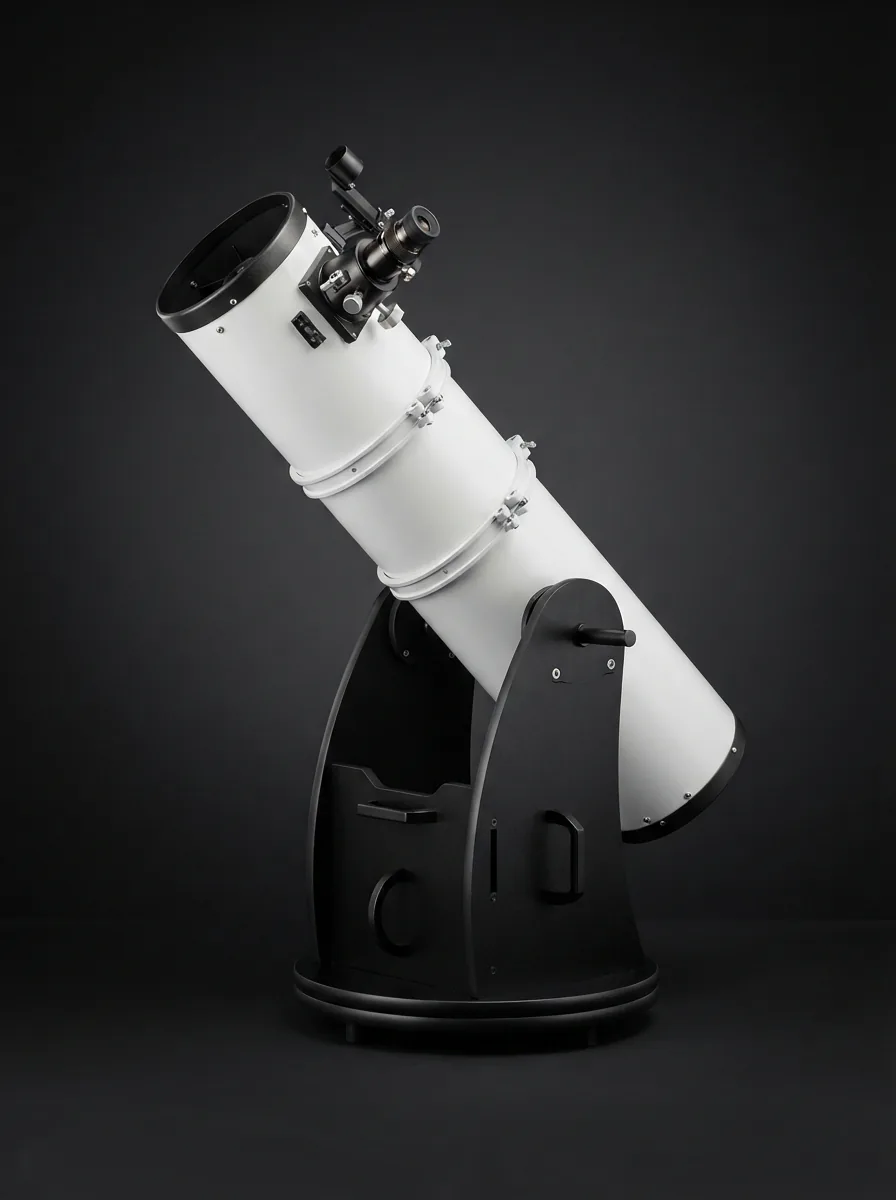
The Orion SkyQuest XT8 Classic Dobsonian Telescope shown in a full studio shot against a dark background.
SkyQuest Dobsonian Telescopes

Orion SkyQuest XT8 Dobsonian Telescope

The Orion SkyQuest XT8 Classic Dobsonian Telescope combines a powerful 8-inch aperture with point-and-view simplicity, making it the ideal instrument for beginners to discover the solar system and deep-sky wonders in bright, vibrant detail.
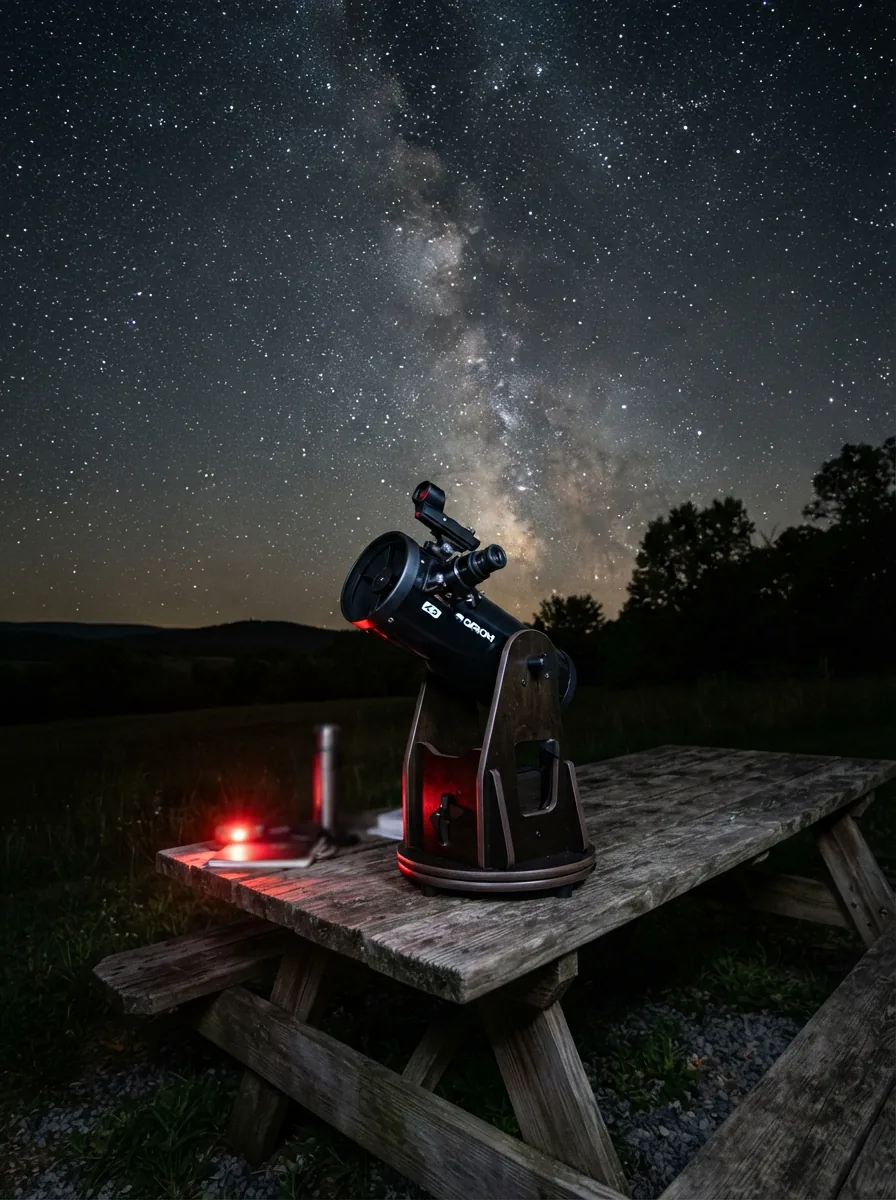
An Orion StarBlast telescope set up on a table under a starry night sky
StarBlast Telescopes

Orion StarBlast Telescope

Explore the Orion StarBlast telescope collection, a range of beginner-friendly reflectors designed for stunning lunar and planetary views. Compare tabletop simplicity with equatorial precision and complete starter kits to find your perfect entry into astronomy.

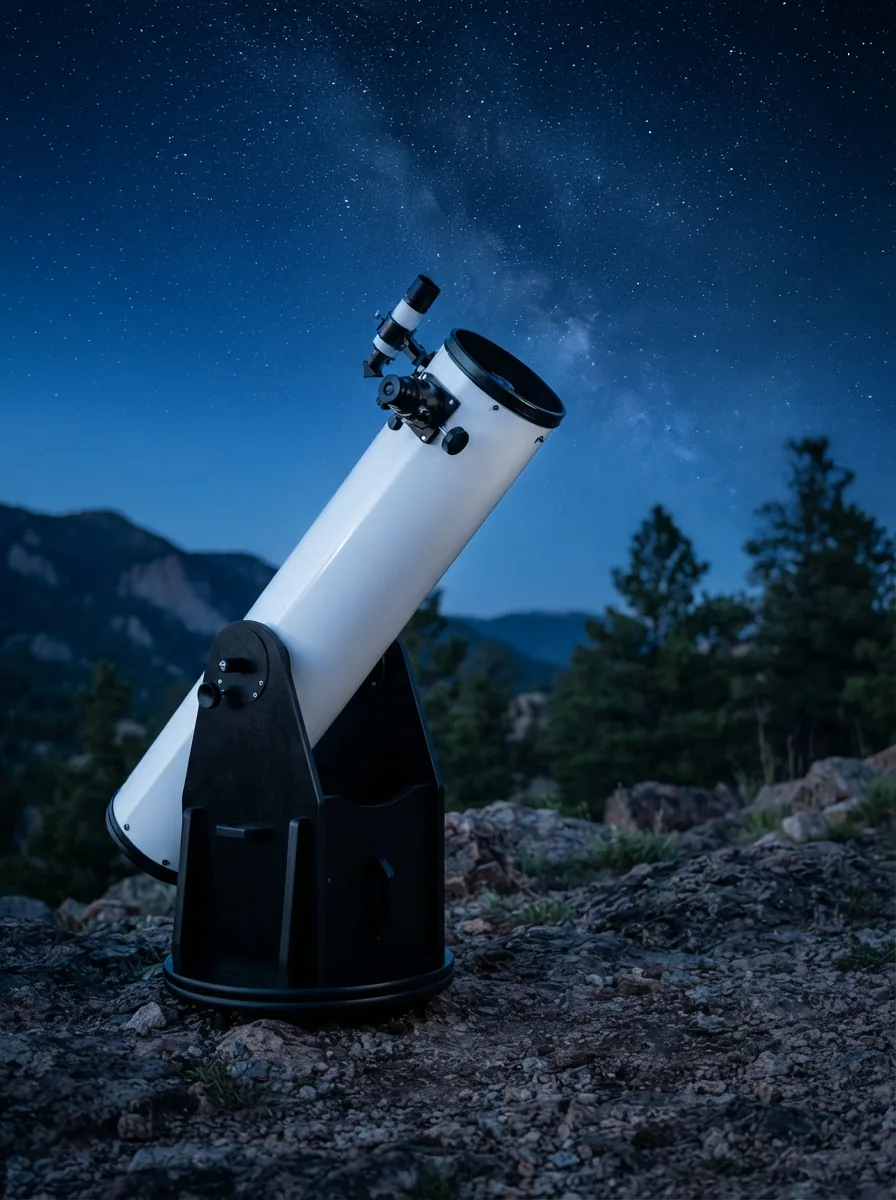
The Orion SkyQuest XT6 Classic Dobsonian Telescope fully assembled and positioned against a twilight sky.
SkyQuest Dobsonian Telescopes

Orion SkyQuest XT6 Dobsonian Telescope

Reveal the wonders of the cosmos with the Orion SkyQuest XT6, a 6-inch Dobsonian telescope offering bright, detailed views of planets, moons, and deep-sky objects. Its intuitive point-and-view design makes it the ideal, powerful starter telescope.

The Orion SpaceProbe 130ST telescope as the central subject against a dramatic night sky backdrop.
SpaceProbe & 130ST Telescopes

Orion 130ST Telescope

The Orion SpaceProbe 130ST EQ is a quality reflector telescope for more serious beginning stargazers. Its fast parabolic mirror gathers ample light, revealing details in deep-sky objects like galaxies and nebulae that smaller telescopes miss.

The Orion StarBlast 4.5 EQ Reflector Telescope prominently displayed as the main product image.
StarBlast Telescopes

Orion StarBlast 4.5 EQ Telescope

This reflector telescope offers a sizable 4.5-inch aperture and fast optics on a responsive equatorial mount, delivering bright, detailed views ideal for advancing your stargazing journey.

Orion SkyQuest XT8 Classic Dobsonian Telescope displayed prominently against a starry background.
Telescope Types & Sizes

Orion 8 Inch Dobsonian Telescope

The Orion SkyQuest XT8 Classic Dobsonian is the ultimate entry into serious amateur astronomy. Its massive 8-inch mirror gathers breathtaking light, revealing details invisible to smaller scopes, all from a simple, stable platform.