




Orion Eyepieces

Explore our complete range of Orion telescope eyepieces, from reliable Plossls to super-wide-angle designs. Compare focal lengths, fields of view, and optical styles to find the perfect match for your telescope and your stargazing goals.

Reliable Performance for Detailed Viewing

Versatile Plossl

Orion 17mm Sirius Plossl Eyepiece - 1.25" for Sharp, Color-Corrected Views

The Orion 17mm Sirius Plossl eyepiece delivers sharp, high-contrast images with excellent color correction, making it a versatile choice for a wide range of telescopes. Its moderate power is ideal for detailed views of star fields and brighter deep-sky objects.
Deep-Sky Specialist

Orion 25mm Sirius Plossl Eyepiece - 1.25" for Immersive Deep-Sky Observation

Designed specifically for deep-sky observing, the Orion 25mm Sirius Plossl provides a wide field of view and comfortable exit pupil. It excels at framing larger nebulae and star clusters in your telescope, offering immersive, bright views of the cosmos.
Flat-Field Clarity

Orion 12.5mm Edge-On Flat Field Planetary Eyepiece - 1.25" with Sharper Edges

The Orion 12.5mm Edge-On Flat Field Planetary eyepiece features an optical design that corrects for field curvature, delivering a flat, sharp image from the center to the edge. It is ideal for detailed planetary and lunar observation where edge-to-edge clarity matters.
All-in-One Zoom

Orion 8-24mm Pro Lanthanum Zoom Eyepiece - 1.25" for Versatile Focal Lengths

Offering incredible versatility, the Orion 8-24mm Pro Lanthanum Zoom eyepiece lets you seamlessly change magnifications without switching eyepieces. Its lanthanum glass elements provide a crisp, clear view across the entire focal range, perfect for exploring different celestial targets.
High-Power Detail

Orion 6mm Edge-On Flat Field Planetary Eyepiece - 1.25" for High-Power Views

For those seeking extreme magnification to study planetary details, the Orion 6mm Edge-On Flat Field Planetary eyepiece provides exceptional contrast and sharpness. It is optimized for high-power viewing of planetary surfaces and the Moon, revealing fine features.
2″ Super View

Orion 32mm Q70 Super Wide Angle Eyepiece - 2" for Immersive Sky Sweeps

The Orion 32mm Q70 Super Wide Angle eyepiece delivers a breathtaking, immersive field of view through a 2-inch barrel. It is perfect for scanning the Milky Way, observing large nebulae, and enjoying rich, wide-angle vistas of the night sky.

Orion 38mm Q70 Super Wide Angle Eyepiece - 2" for Maximum Panoramic Views of the Cosmos

The Orion 38mm Q70 Super Wide Angle eyepiece represents the pinnacle of immersive, wide-field viewing through a telescope. Designed with a 2-inch barrel to accommodate its massive apparent field of view, this eyepiece delivers a stunning, panoramic window into the cosmos. Whether you’re sweeping the rich star clouds of the Milky Way, taking in the full expanse of a large emission nebula, or simply enjoying the thrill of a vast star field, the Q70 provides an unparalleled sense of scale and presence. Its multi-coated optics ensure bright, high-contrast images across the entire field.
Choice for Expanse & Performance

Popular Picks for Wider Views & Sets

Orion 38mm Q70 Super Wide Angle Eyepiece - 2" for Maximum True Field of View

The Orion 38mm Q70 Super Wide Angle eyepiece provides the maximum true field of view possible in a 2-inch barrel. It is the ultimate choice for scanning vast regions of the sky, capturing sprawling star clouds and the full extent of large nebulae in a single, breathtaking view.

Orion 6mm Expanse Eyepiece - 1.25" for Immersive Planetary Views

The Orion 6mm Expanse eyepiece combines a generous apparent field of view with high magnification, offering a large, immersive viewing window for detailed planetary observation. It delivers clear, high-contrast images of Jupiter’s cloud bands and Saturn’s rings.

Orion 15mm Expanse Eyepiece - 1.25" for Great Medium-Power Deep-Sky Views

With its 15mm focal length and expansive field of view, the Orion Expanse eyepiece is a favorite for medium-power deep-sky observing. It frames mid-sized star clusters and galaxies beautifully, providing a bright, clear, and enjoyable viewing experience.

Orion Edge-On Planetary Eyepiece Set - 1.25" for a Complete Planetary Solution

The Orion Edge-On Planetary Eyepiece Set bundles three specialized 1.25-inch eyepieces optimized for high-contrast planetary viewing. This curated collection provides optimal performance for studying lunar craters and planetary detail without the guesswork of building a set.
Observe Your Way

Eyepieces for Every Astronomical Goal

High-Power Planetary Study

Ideal for studying the intricate details of planetary atmospheres, lunar craters, and double stars where sharpness and contrast are paramount.

Deep-Sky Exploration

Perfect for scanning the Milky Way, observing large star clusters, and framing extended nebulae for a sweeping, immersive experience.

General All-Around Observing

The go-to choice for beginners seeking reliable, all-around performance and for general-purpose viewing of a variety of celestial objects.

Faint Object Hunting

Essential for hunting and observing faint galaxies and nebulae, where maximizing light grasp and a wide true field are critical.

Visual Outreach & Sharing

Offers the ultimate convenience for visual outreach and sharing views, allowing quick magnification changes to suit different targets and visitors.

Casual Stargazing

Great for casual, grab-and-go sessions where versatility and ease of use are valued over specialized high-performance optics.

Key Factors for Choosing Orion Eyepieces

Choosing the right Orion eyepiece depends on factors like focal length for magnification, field of view for object framing, and optical design for image quality. Each factor impacts your observing style, from planetary detail to deep-sky sweeps.

Focal Length & Magnification

Focal length determines your telescope's magnification; shorter lengths yield higher power for planetary detail, while longer lengths provide lower power and a wider field of view for deep-sky objects and finding targets.

Apparent Field of View

A wider apparent field of view makes the sky seem more immersive, like looking through a porthole into space. It helps frame larger nebulae and star clusters and makes tracking objects easier at high magnification.

Optical Design & Performance

Optical designs like Plossl, Expanse, or Edge-On each have strengths. Plossls offer sharp, reliable performance, while specialized designs correct for field curvature or provide ultra-wide, immersive views of the night sky.

Barrel Size Compatibility

Eyepieces come in standard barrel sizes like 1.25" and 2". The larger 2" barrels allow for wider-field views, especially with longer focal lengths, but require a compatible focuser on your telescope.

Eye Relief & Comfort

Eye relief is the distance your eye must be from the eyepiece to see the full field. Longer eye relief is more comfortable, especially for eyeglass wearers, and helps maintain a steady, immersive view.

Fixed vs. Zoom Versatility

Zoom eyepieces offer variable focal lengths in one unit, providing versatility for different targets. Fixed focal length eyepieces often deliver superior optical performance and a more dedicated, optimized view.

By Design

Explore Orion Eyepiece Series

Orion eyepieces are organized by optical design, each serving different observing priorities. Plossl designs offer proven reliability, Expanse models provide wider fields for deep-sky immersion, Edge-On optics maximize planetary contrast, and Q70s deliver super-wide-angle vistas.

Sirius Plossl

Proven and reliable Plossl design delivers sharp, high-contrast images for all-around use.

Expanse Series

Wide-field design for immersive deep-sky viewing of nebulae and star clusters.

Edge-On Planetary

Specialized flat-field optics for edge-to-edge sharpness and high-contrast planetary views.

Q70 Super Wide

Super wide-angle design in 2-inch barrels for breathtaking, immersive sky sweeps.
Stargazer Perspectives

What Observers Say About Orion Eyepieces

Hear from amateur astronomers about their experiences with Orion eyepieces, from the clarity of planetary views to the immersive feeling of wide-angle deep-sky sessions. These accounts reflect the real-world performance and satisfaction our optics deliver.
Switched to an Edge-On planetary eyepiece and the difference on Jupiter was night and day. The cloud bands are so much sharper and the contrast is incredible. A true upgrade for planetary viewing.
Decorative customer review avatar icon 1
StargazerDan
My Q70 wide-angle eyepiece turned observing the Veil Nebula into a breathtaking experience. The field of view is huge and feels like you're floating in space. Orion's optics make a real difference.
Decorative customer review avatar icon 2
NebulaHunter
I started with a Sirius Plossl set and they've been fantastic for years. They provide sharp, reliable views for everything from the Moon to star clusters. Solid, dependable eyepieces for any level.
Decorative customer review avatar icon 3
CosmicObserver
The Pro Lanthanum Zoom is my go-to for outreach events. Being able to quickly change magnification to show people different targets is incredibly convenient. The view stays crisp across the range.
Decorative customer review avatar icon 4
FieldScout
The generous eye relief on my Expanse eyepieces is a game-changer. I can keep my glasses on and still see the entire field of view comfortably. No more squinting during long observing sessions.
Decorative customer review avatar icon 5
ClearSkyGazer
Bought the Edge-On Planetary Set to complement my low-power eyepiece. It's a perfect, high-quality package for dialing in on planets. The performance per dollar is fantastic and Orion's guarantee is reassuring.
Decorative customer review avatar icon 6
AspiringAstronomer

Orion Eyepiece Questions Answered

Visitors often wonder which focal length is best for their telescope or what the differences are between Orion’s eyepiece series. Here, we address practical questions about compatibility, optical performance, and building a useful set.
Most Orion telescopes use 1.25″ eyepieces, which is the standard size for most Orion Sirius Plossl and Expanse models. Larger 2″ eyepieces, like some Q70 models, require a focuser with a 2″ barrel, common on larger Dobsonian telescopes for wide-field viewing.
The Sirius Plossl series is an excellent, reliable all-around choice, offering sharp images and good color correction. The Expanse line provides a wider field of view for more immersive deep-sky viewing, while Edge-On models are specialized for high-contrast, flat-field planetary observation.
The ideal starting set typically includes a low-power, wide-field eyepiece for finding objects, a medium-power eyepiece for detailed views, and a high-power planetary eyepiece. Orion eyepiece sets, like the Edge-On Planetary Set, offer a curated combination for specific needs.
A zoom eyepiece, like the Pro Lanthanum Zoom, offers the versatility of multiple focal lengths in one unit, which is great for travel or general viewing. Fixed focal length eyepieces generally provide a sharper, more optimized image at their specific magnification.
Yes, for comfortable use with eyeglasses, look for eyepieces with longer eye relief, typically 15mm or more. Many Orion models, especially in the Expanse and Q70 lines, are designed with generous eye relief for extended, comfortable viewing sessions.
To keep your eyepiece in top condition, use a lens pen or microfiber cloth with optical-grade cleaner for the glass. Always keep dust caps on when not in use and store them in a dry, protective case to prevent scratches and fungus.
A close-up of a telescope focuser holding a Sirius Plossl eyepiece, with the night sky in the background.
A chart illustrating the field of view difference between a standard and a wide-angle eyepiece design.
Explore More Insights

Continue Your Astronomy Journey

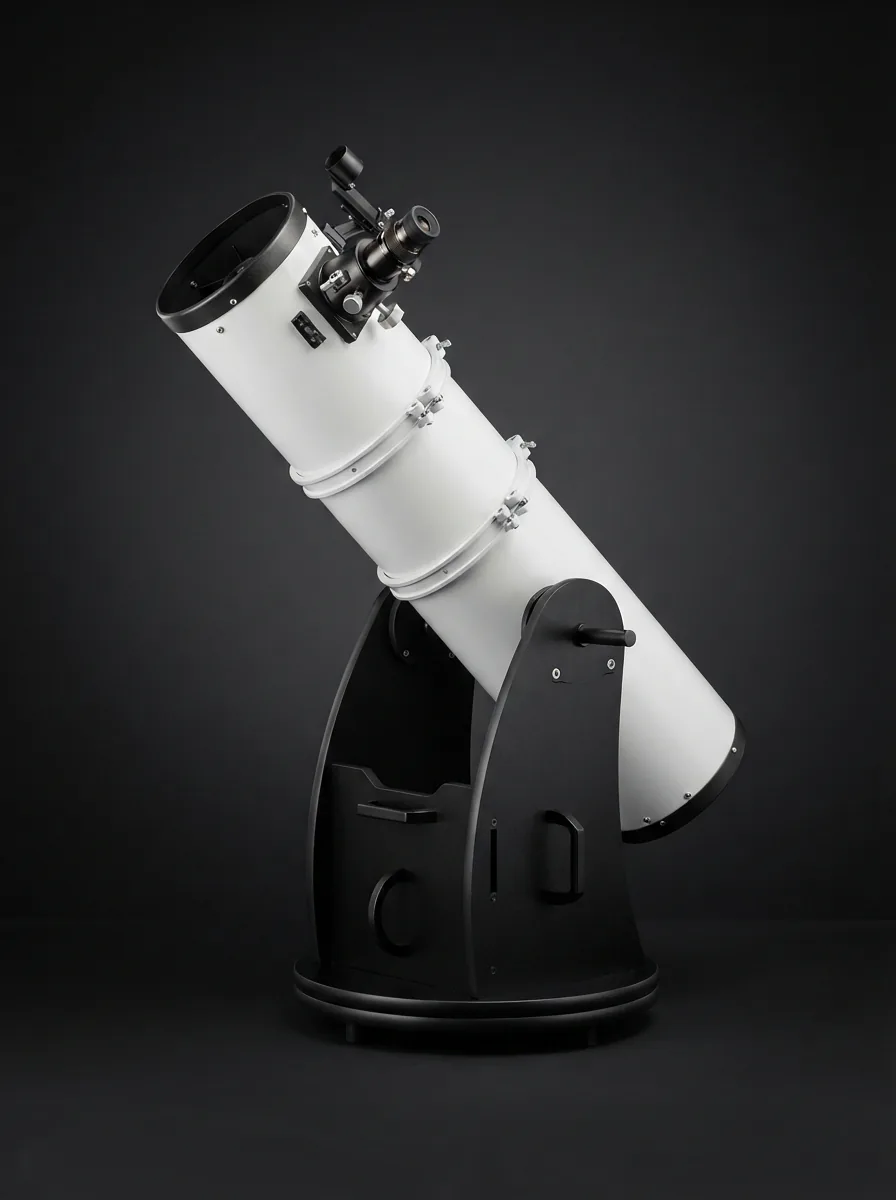
The Orion SkyQuest XT8 Classic Dobsonian Telescope shown in a full studio shot against a dark background.
SkyQuest Dobsonian Telescopes

Orion SkyQuest XT8 Dobsonian Telescope

The Orion SkyQuest XT8 Classic Dobsonian Telescope combines a powerful 8-inch aperture with point-and-view simplicity, making it the ideal instrument for beginners to discover the solar system and deep-sky wonders in bright, vibrant detail.
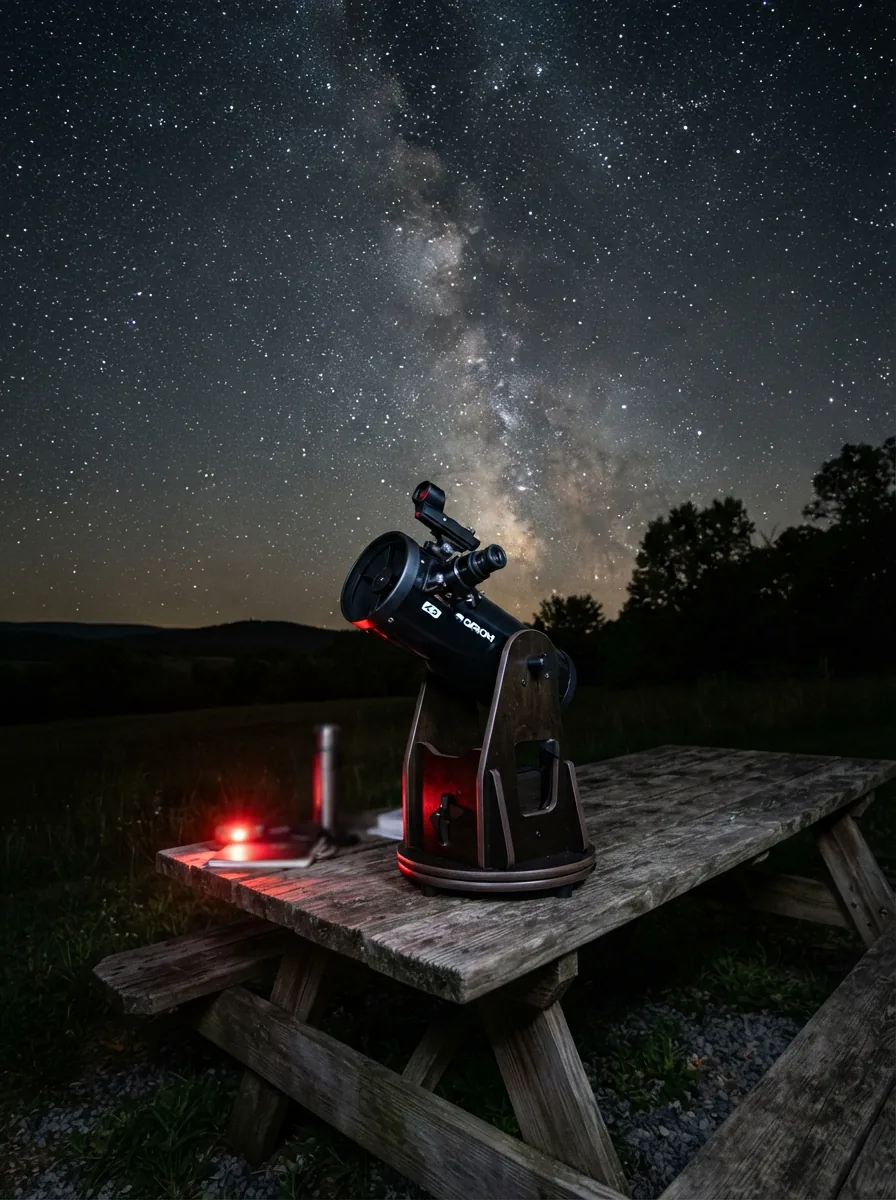
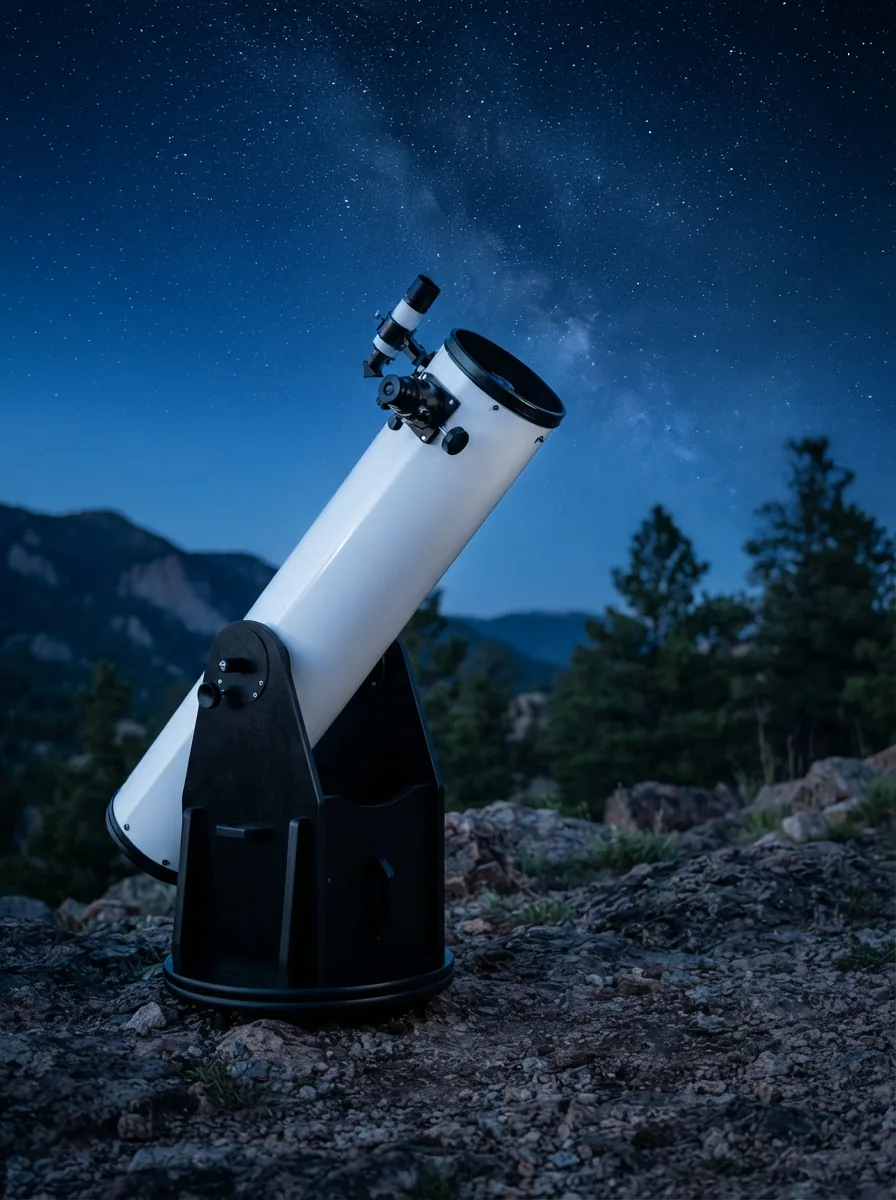
An Orion StarBlast telescope set up on a table under a starry night sky
StarBlast Telescopes

Orion StarBlast Telescope

Explore the Orion StarBlast telescope collection, a range of beginner-friendly reflectors designed for stunning lunar and planetary views. Compare tabletop simplicity with equatorial precision and complete starter kits to find your perfect entry into astronomy.

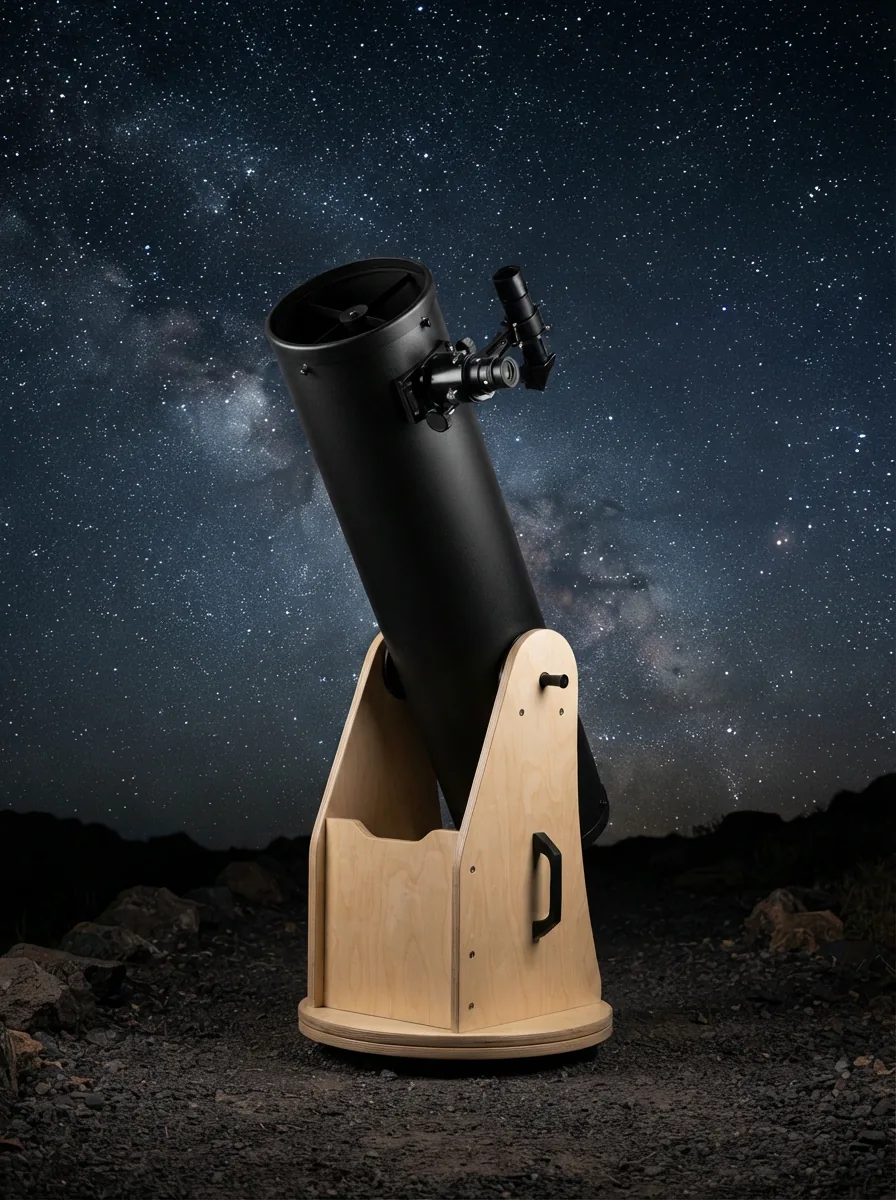
The Orion SkyQuest XT6 Classic Dobsonian Telescope fully assembled and positioned against a twilight sky.
SkyQuest Dobsonian Telescopes

Orion SkyQuest XT6 Dobsonian Telescope

Reveal the wonders of the cosmos with the Orion SkyQuest XT6, a 6-inch Dobsonian telescope offering bright, detailed views of planets, moons, and deep-sky objects. Its intuitive point-and-view design makes it the ideal, powerful starter telescope.

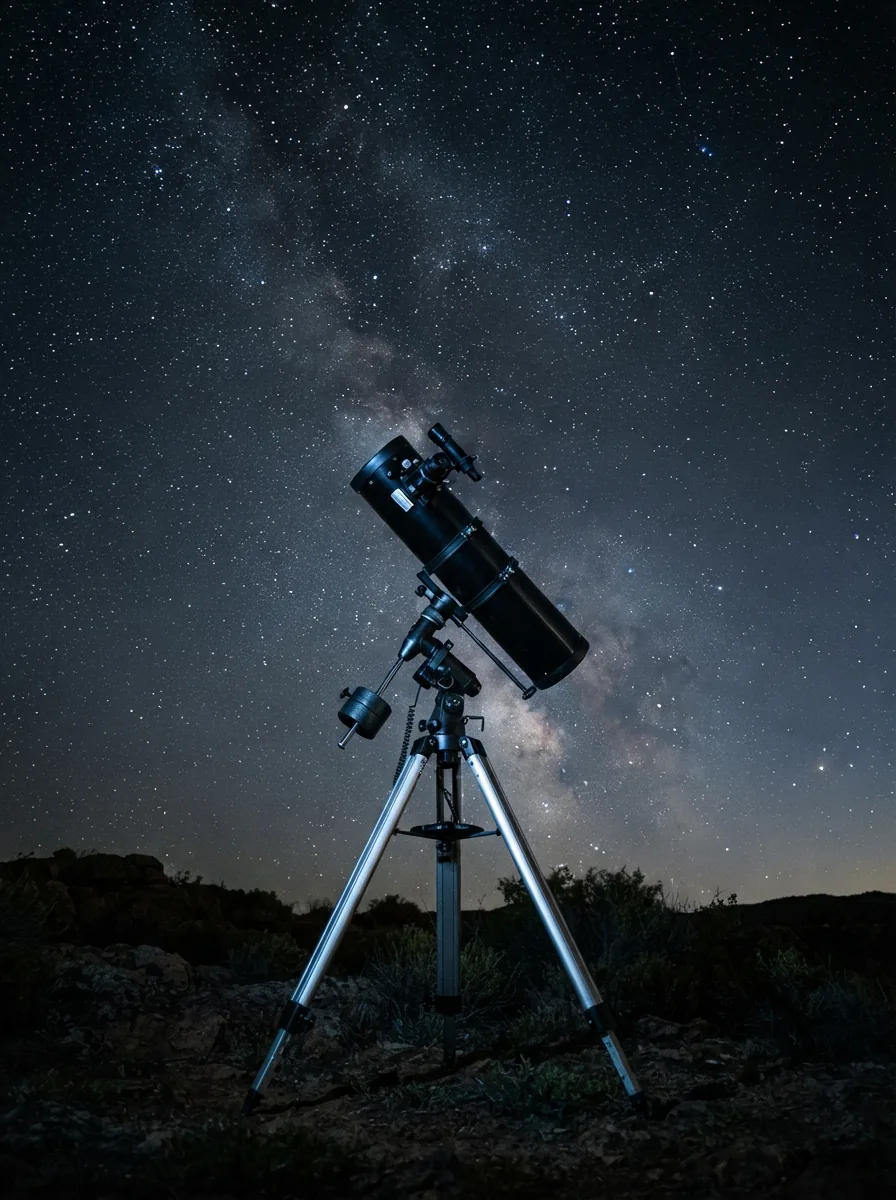
The Orion SpaceProbe 130ST telescope as the central subject against a dramatic night sky backdrop.
SpaceProbe & 130ST Telescopes

Orion 130ST Telescope

The Orion SpaceProbe 130ST EQ is a quality reflector telescope for more serious beginning stargazers. Its fast parabolic mirror gathers ample light, revealing details in deep-sky objects like galaxies and nebulae that smaller telescopes miss.

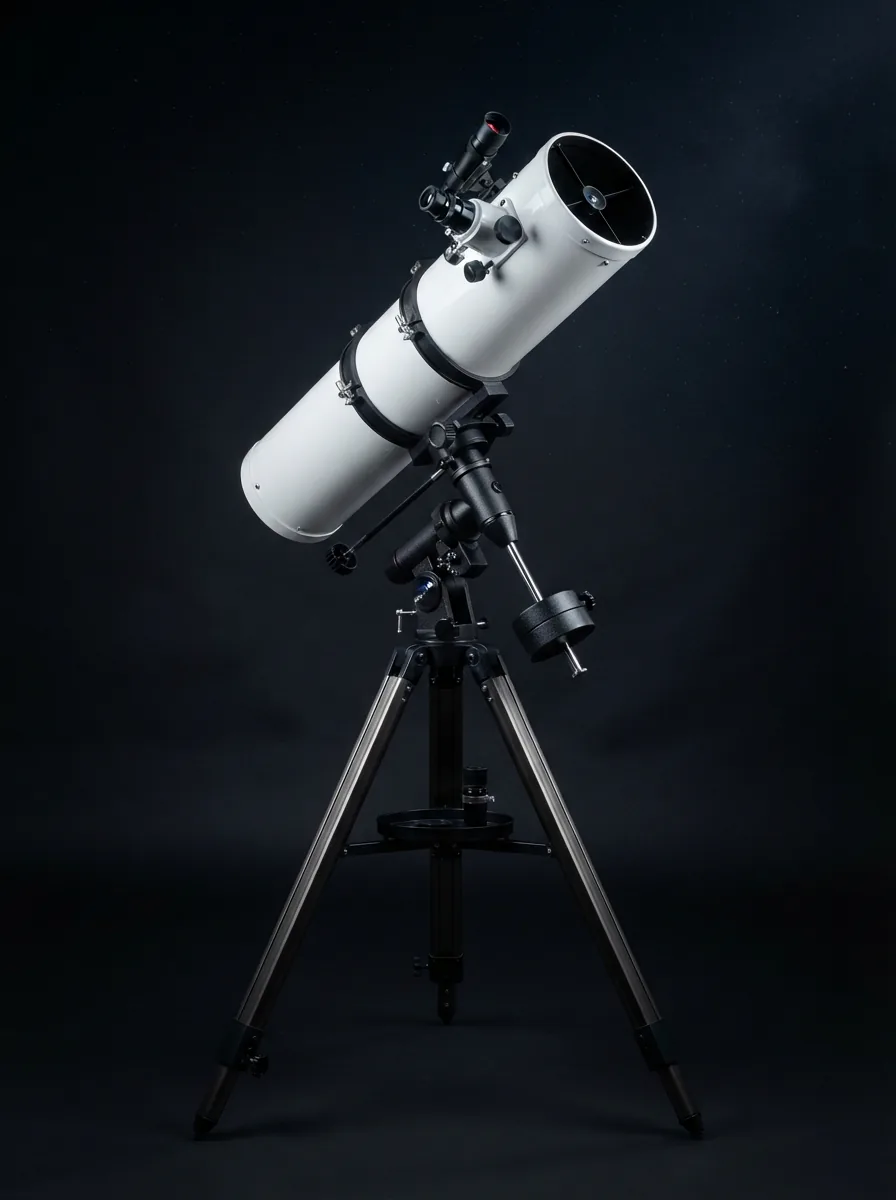
The Orion StarBlast 4.5 EQ Reflector Telescope prominently displayed as the main product image.
StarBlast Telescopes

Orion StarBlast 4.5 EQ Telescope

This reflector telescope offers a sizable 4.5-inch aperture and fast optics on a responsive equatorial mount, delivering bright, detailed views ideal for advancing your stargazing journey.

Orion SkyQuest XT8 Classic Dobsonian Telescope displayed prominently against a starry background.
Telescope Types & Sizes

Orion 8 Inch Dobsonian Telescope

The Orion SkyQuest XT8 Classic Dobsonian is the ultimate entry into serious amateur astronomy. Its massive 8-inch mirror gathers breathtaking light, revealing details invisible to smaller scopes, all from a simple, stable platform.