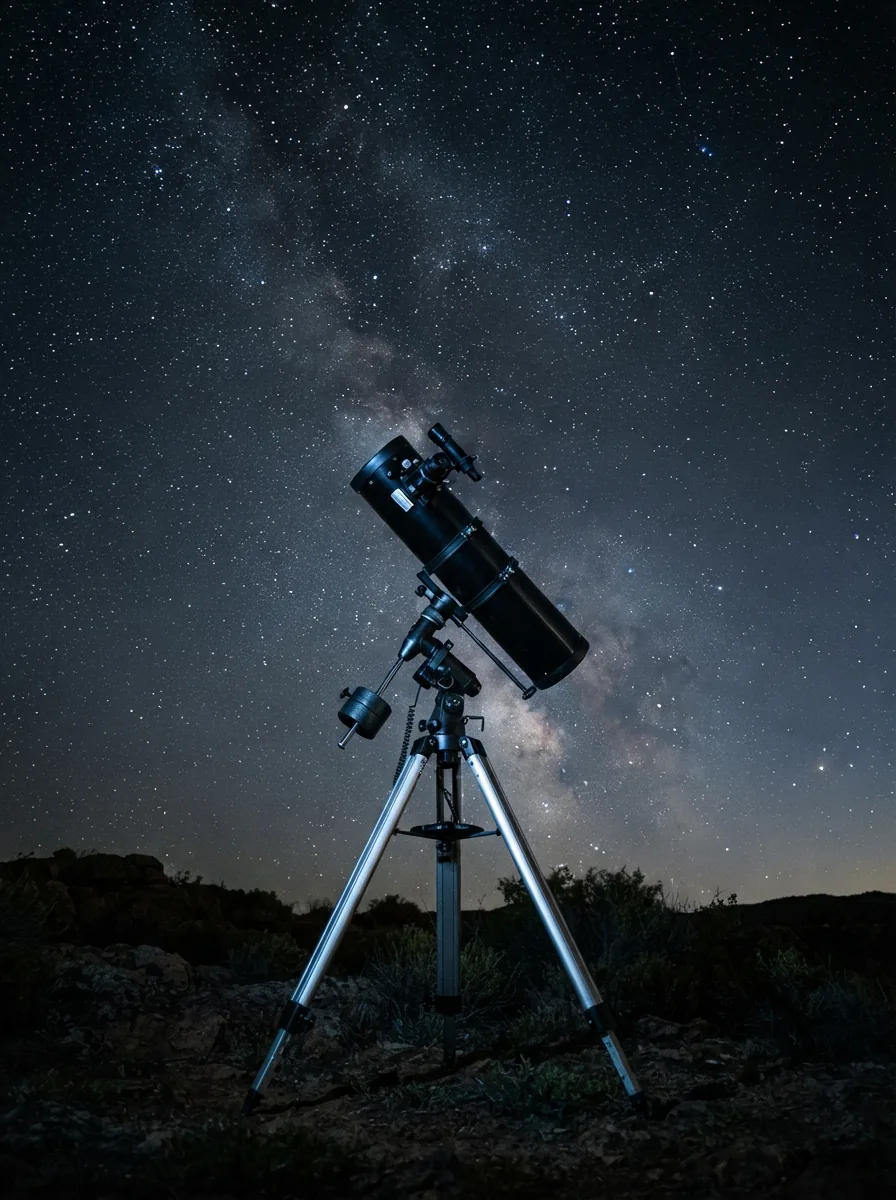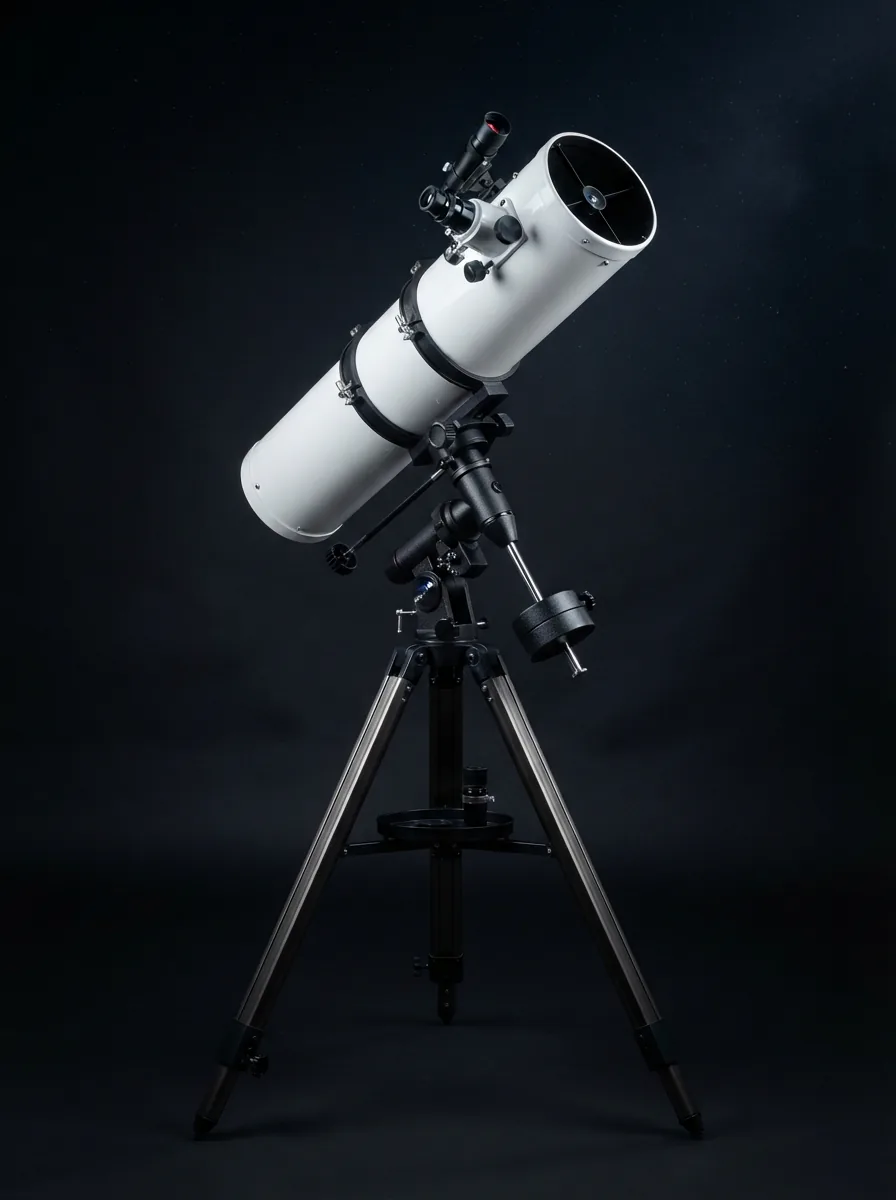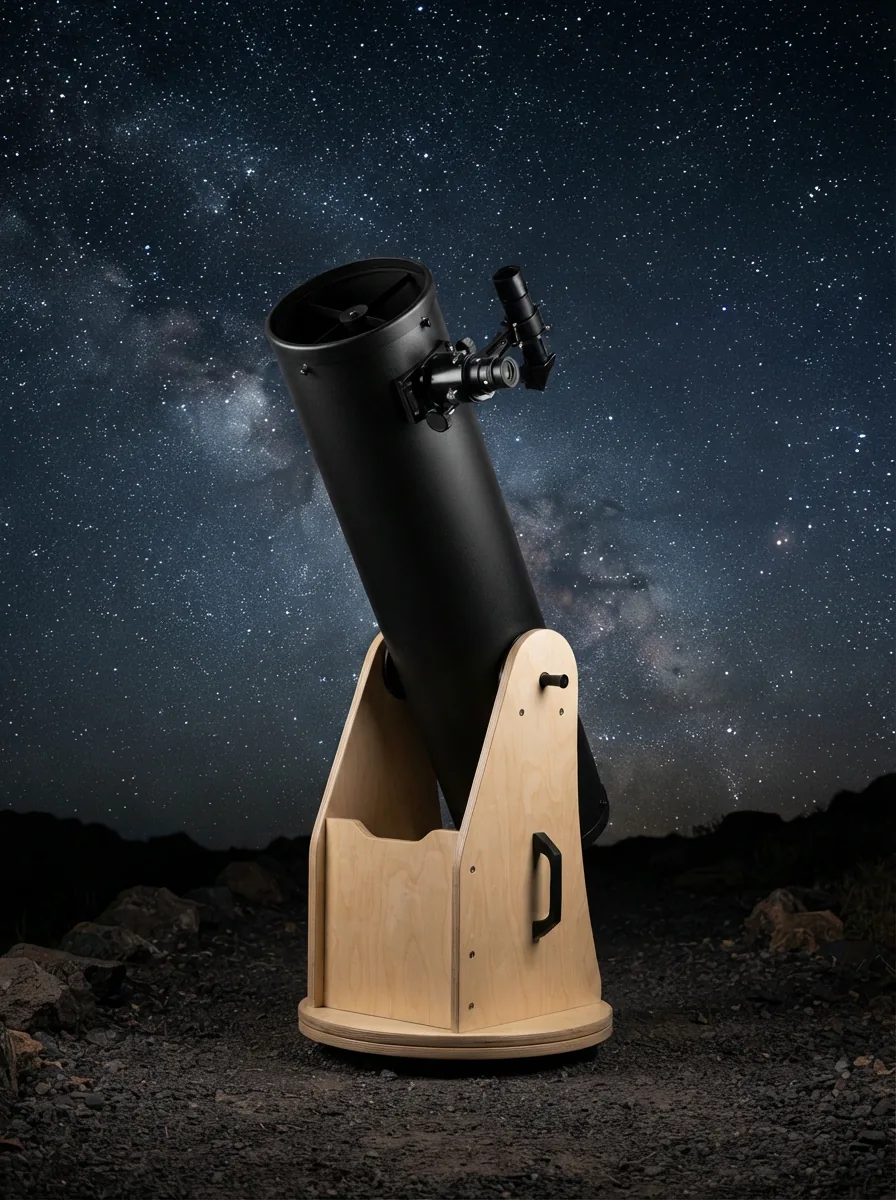





Orion Refractor Telescope

Explore Orion’s complete range of refractor telescopes, from compact, portable starters to advanced apochromatic imaging instruments. Compare models to find the perfect balance of aperture, optical quality, and features for your journey into the night sky, whether for visual observing or capturing deep-space images.

Advanced Refractor Telescopes for Serious Observers

APO Triplet

Orion ED80T CF Triplet Apochromatic Refractor Telescope - Premium Carbon Fiber APO for Imaging

The Orion ED80T CF combines a premium triplet apochromatic lens with a lightweight carbon fiber tube. This combination delivers stunning, color-free views and is engineered for both sharp visual stargazing and detailed astrophotography of deep-sky objects like nebulae and galaxies.
ED Glass

Orion ED80T Carbon Fiber ED APO Refractor Telescope - Sharp Optics for Visual and Imaging

High-quality ED (Extra-low Dispersion) glass in this refractor ensures superior color correction and sharp contrast. Its design is perfectly balanced for both captivating visual observation of planets and the Moon and serious astrophotography of the night sky.
Compact & Fast

Orion ShortTube 80 ST80 80mm f/5 Refractor Telescope with Finder and Diagonal

This compact and versatile Orion ShortTube 80 refractor offers bright, wide-field views. It’s an excellent grab-and-go option for quick observations of the Moon, star clusters, and the Milky Way, often paired with a finder and diagonal for immediate use.
Ready-to-Observe

Orion GoScope 80mm Refractor Telescope on VersaGo E-Series Altazimuth Mount

The Orion GoScope 80 refractor pairs a capable 80mm lens with the stable VersaGo E-Series altazimuth mount. This complete setup is ready for the field, providing steady, easy-to-use views of celestial wonders for astronomers ready to step up from starter telescopes.
Versatile ED Optics

Orion ED80T Carbon Fiber ED APO Refractor Telescope - Sharp Optics for Visual and Imaging

The Orion ED80T Carbon Fiber ED APO Refractor Telescope combines a quality Extra-low Dispersion lens with a lightweight carbon fiber optical tube. This design ensures sharp, high-contrast views with minimal color fringing, making it a versatile instrument for both rewarding visual observation of planets and the Moon and for serious astrophotography of the night sky.
Complete Starter Kit

Orion GoScope 80mm Refractor Telescope on VersaGo E-Series Altazimuth Mount - Ready-to-Observe Kit

The Orion GoScope 80 refractor pairs a capable 80mm aperture with the stable VersaGo E-Series altazimuth mount. This complete, ready-to-observe setup provides steady and easy-to-use views of celestial wonders, making it an excellent step-up option for astronomers ready to move beyond starter telescopes and explore the Moon, planets, and brighter deep-sky objects.

Orion Explorer 80 AZ 80mm Refractor Telescope - Detailed Planetary and Lunar Views

The Orion Explorer 80 AZ is a versatile 80mm refractor that balances performance and value. Its 910mm focal length delivers detailed views of planetary cloud bands and lunar craters. Paired with a stable altazimuth tripod and a useful 6.3mm eyepiece, it provides a complete, ready-to-observe package for the enthusiast ready for more capable optics.
Most-Loved Models

Trusted Orion Refractors for Every Level

Orion GoScope II 70mm Portable Refractor Telescope Complete Kit with Backpack and Tripod

The Orion GoScope II 70mm is a complete portable kit, including a backpack and tripod. Its compact design and included accessories make it the ideal, travel-friendly choice for introducing family and friends to the wonders of the Moon and planets.

Orion GoScope 70mm Refractor Telescope Altazimuth Tripod with LED Finder Kit

This Orion GoScope 70mm refractor kit includes a sturdy altazimuth tripod and a red LED finder for easy, guided navigation of the night sky. It offers a significant upgrade in stability and features for the beginner astronomer.

Orion Explorer 80 AZ 80mm 910mm Refractor Telescope on Tripod with 6.3mm Eyepiece

The Orion Explorer 80 AZ is a capable 80mm refractor with a long 910mm focal length. Paired with a stable altazimuth tripod, it provides detailed, high-magnification views of planetary surface features and Saturn’s rings.

Orion Observer Telescope 70mm with Tripod - Simple Backyard Stargazing

The Orion Observer 70mm is a straightforward, no-frills refractor perfect for casual backyard astronomy. Mounted on a basic tripod, it offers accessible, enjoyable views of bright celestial objects like the Moon, Jupiter, and Saturn for the curious beginner.
How You’ll Use It

Find Your Perfect Stargazing Scenario

Casual Backyard Viewing

Perfect for quick sessions in the backyard, simple telescopes offer easy setup to enjoy the Moon's craters and bright planets.

Travel & Camping

Portable kits with backpacks and lightweight tubes are designed for travel to dark sky parks and vacations.

Deep-Sky Observation

Larger apertures and stable mounts reveal faint galaxies, nebulae, and star clusters beyond the solar system.

Serious Astrophotography

APO refractors with ED glass and precise focusers are essential for capturing sharp, color-accurate images of the cosmos.

Introduction for Kids

Durability, simple mounts, and included backpacks make certain models great first telescopes for kids and beginners.

Lunar & Planetary Study

Quality refractors provide the clear, steady views needed for sketching detailed lunar and planetary features.

Key Factors for Choosing Your Refractor Telescope

Selecting the right Orion refractor telescope involves matching optical quality, aperture, and portability to your observing goals. Factors like chromatic aberration correction, focal length, and mount stability determine whether your views are crisp for planets or deep-sky objects, directly impacting your stargazing success and enjoyment.

Aperture and Light Gathering

Aperture, or the diameter of the main lens, dictates how much light the telescope gathers. A larger aperture reveals fainter deep-sky objects like nebulae and galaxies, while smaller apertures are lighter and more portable for quick planetary or lunar views.

Lens Type: Achromat vs. Apochromat

Achromatic lenses are affordable and great for beginners, showing bright planets and the Moon. Apochromatic (APO) refractors use special glass to eliminate color fringing, delivering true-to-life, high-contrast views essential for serious astrophotography and detailed observation.

Focal Length and Magnification

The focal length determines the telescope's magnification potential and field of view. Longer focal lengths excel at high-power planetary details, while shorter focal lengths offer wider vistas for scanning star clusters and tracing the Milky Way's sweeping arms.

Mount Type and Stability

A stable, well-matched mount is crucial for a steady image. Alt-azimuth mounts are simple for visual use, while equatorial mounts are engineered for precise tracking, which is vital for long-exposure astrophotography to capture sharp, detailed images of celestial objects.

Tube Material and Portability

Carbon fiber tubes offer superior thermal stability and lighter weight than aluminum, making setup and transport easier. This material choice enhances performance during long observing sessions by minimizing focus shift as the night air cools.

Astrophotography Suitability

For astrophotography, a telescope with high-quality glass and a robust focuser is essential. This combination ensures sharp stars and rich color across the entire imaging sensor, allowing you to capture stunning, detailed photographs of the cosmos.

Types

Refractor Telescope Types by Optical Design

Orion refractor telescopes span from quick-look portables to precision imaging instruments. The main distinctions are in optical design (achromat vs. apochromat), aperture size for light gathering, and mount system, each defining a telescope’s ideal use from casual viewing to serious astrophotography.

Achromatic Refractors

Standard achromats offer great value and bright, crisp views of the Moon and planets, making them ideal starter scopes.

Apochromatic (APO) Refractors

APO refractors with ED glass eliminate color distortion, delivering pristine, high-contrast images for discerning observers.

Compact & Portable

Models under 80mm aperture prioritize portability and ease of use for spontaneous, grab-and-go astronomy sessions.

Larger Aperture

Larger 80mm+ apertures gather more light, revealing fainter deep-sky objects and finer planetary detail.
Stargazer Stories

What Observers Say About Orion Refractors

Hear from amateur astronomers who have used Orion refractor telescopes for their stargazing adventures. These first-person accounts highlight real-world experiences with image quality, portability, and the joy of exploring the night sky with trusted Orion optics.
My first Orion refractor, the GoScope 70, was a game-changer. The views of Saturn's rings had me hooked instantly. It's sturdy, easy to set up, and perfect for learning the night sky.
Decorative customer review avatar icon 1
StarGazer Mike
Upgrading to the ED80T CF triplet for astrophotography was worth every penny. The color correction is superb, and the carbon fiber tube keeps the focus steady through long exposures. Highly recommended.
Decorative customer review avatar icon 2
AstroCapture Pro
The ShortTube 80 is my go-to for quick sessions. It's incredibly portable, and the wide-field views of the Milky Way are stunning. A fantastic travel companion for dark sky sites.
Decorative customer review avatar icon 3
Backyard Explorer
We got the GoScope II kit for family nights. The backpack makes it easy to carry, and even my kids can find planets with the red dot finder. It's created wonderful shared memories.
Decorative customer review avatar icon 4
Cosmic Mom
Using my Explorer 80, I was amazed to see the Veil Nebula detail under dark skies. The 80mm aperture gathers enough light to reveal some fuzzies, making it a great value for deep-sky hunting.
Decorative customer review avatar icon 5
Nebula Hunter
The build quality on my EON 115 refractor is exceptional. The focuser is smooth and precise, holding heavy imaging gear without slip. It's a professional-grade instrument at a competitive price.
Decorative customer review avatar icon 6
Observatory Owner

Common Refractor Telescope Questions

Choosing a refractor telescope often involves balancing optical performance, portability, and budget. Common questions address how aperture affects visibility, the real-world difference between lens types, and what accessories are needed to start observing, helping you make a confident and informed decision.
Aperture is the most critical spec for a telescope. It determines the limit of what you can see by gathering light. A larger aperture reveals fainter stars, resolves close double stars, and shows more detail on planets and nebulae, while a smaller aperture is easier to transport.
An apochromatic (APO) refractor uses multiple specialized glass elements to bring all colors of light to the same focus point, eliminating color fringing around bright objects. This provides sharper, higher-contrast, and more naturally colored views compared to standard achromatic refractors.
Yes, many Orion refractors are excellent for astrophotography, especially models with triplet APO optics like the ED80T. For sharp images, you’ll also need a stable equatorial mount for tracking, a camera adapter, and potentially a field flattener for wide-field shots.
For visual observing under typical conditions, you can use up to 50x magnification per inch of aperture. For your telescope, divide its focal length by the eyepiece focal length to calculate magnification. Start with lower power for wide-field views and increase for planets.
A refractor’s sealed optical tube is maintenance-free, keeping dust and misalignment out. Collimation (alignment) is rarely needed. Simply keep the main lens clean with a bulb blower and store the telescope in a dry place to ensure optimal performance for years.
Portability is key for spontaneous use. The Orion GoScope and ShortTube models are lightweight and often include backpacks or tripods, making them ideal for travel. Larger models like the EON series offer superior optics but require more substantial mounts and setup time.
A diagram illustrating light paths through an achromatic doublet and an apochromatic triplet lens to show chromatic aberration correction.
A side-by-side comparison showing the size and portability difference between a small 70mm refractor and a larger 110mm refractor telescope.
Learn More

Continue Your Telescope Journey

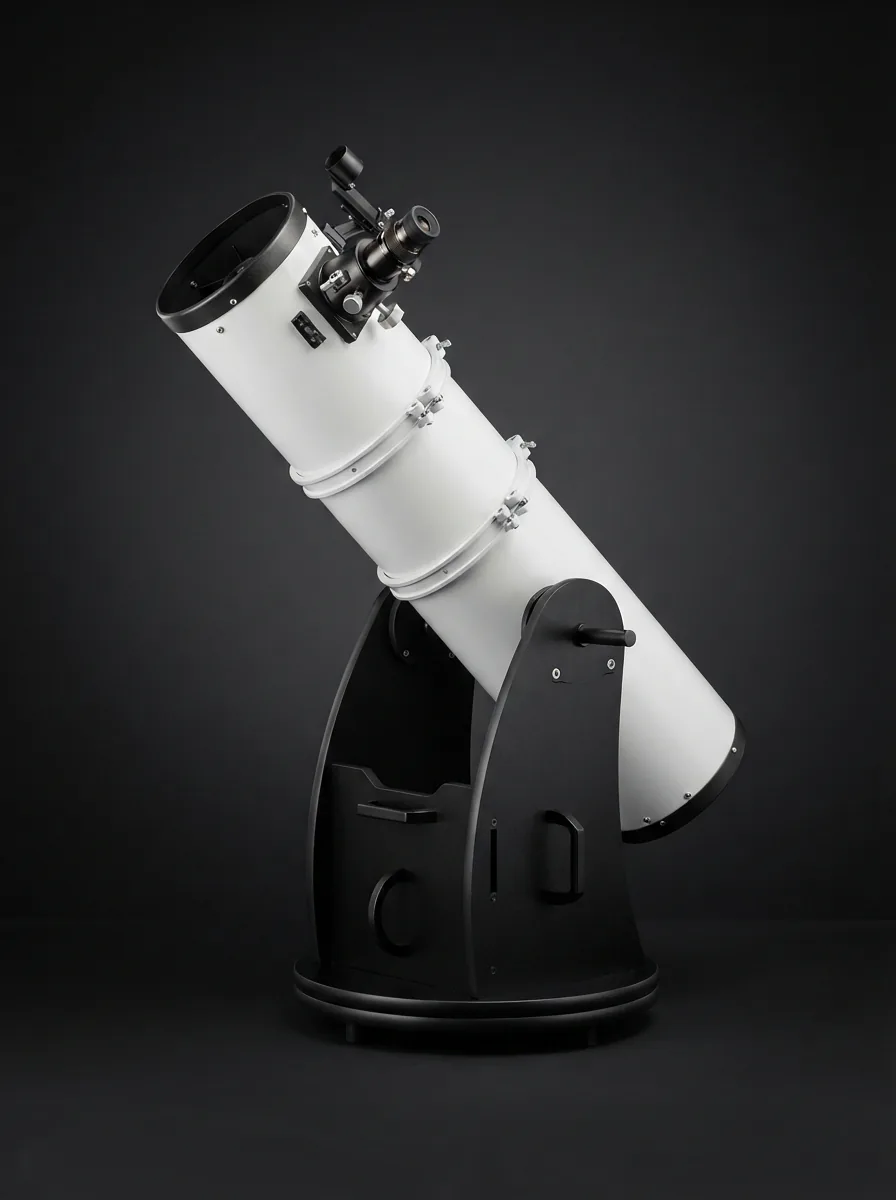
The Orion SkyQuest XT8 Classic Dobsonian Telescope shown in a full studio shot against a dark background.
SkyQuest Dobsonian Telescopes

Orion SkyQuest XT8 Dobsonian Telescope

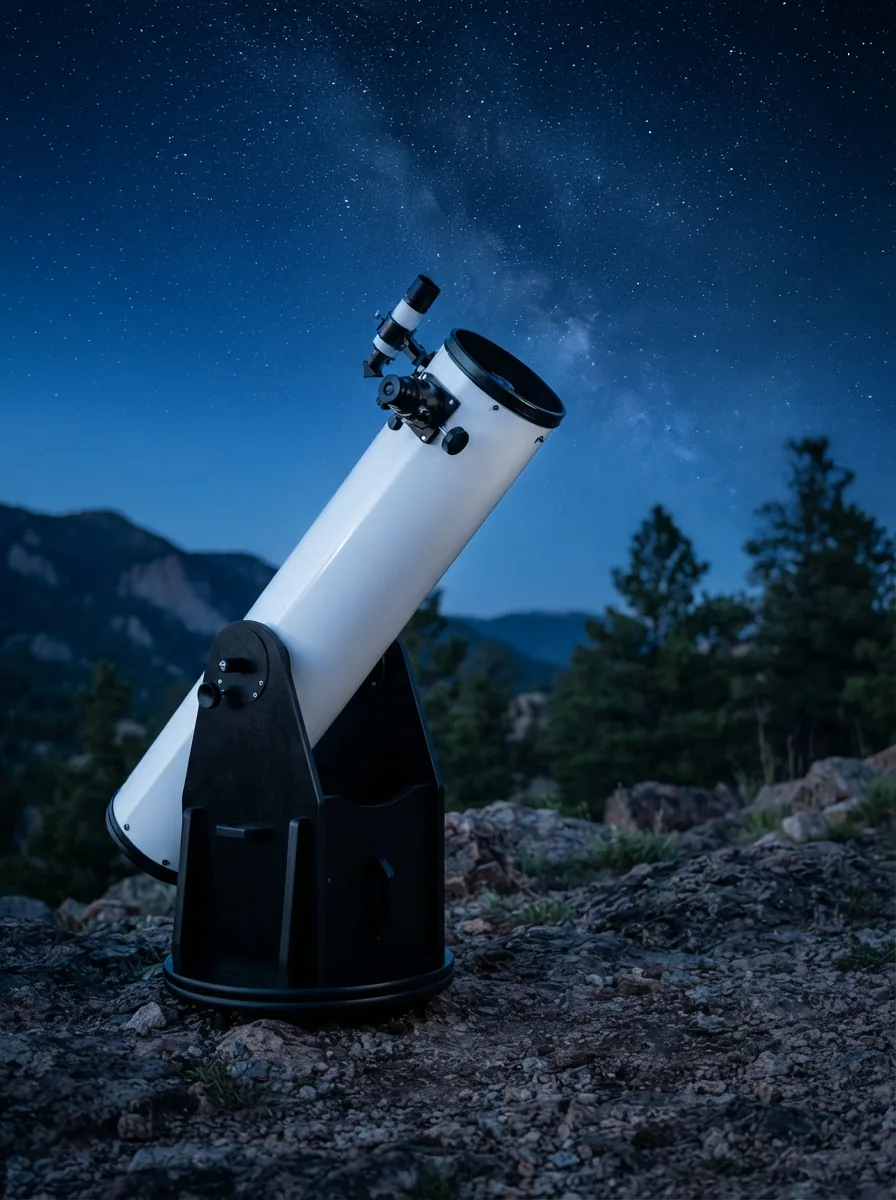
The Orion SkyQuest XT8 Classic Dobsonian Telescope combines a powerful 8-inch aperture with point-and-view simplicity, making it the ideal instrument for beginners to discover the solar system and deep-sky wonders in bright, vibrant detail.
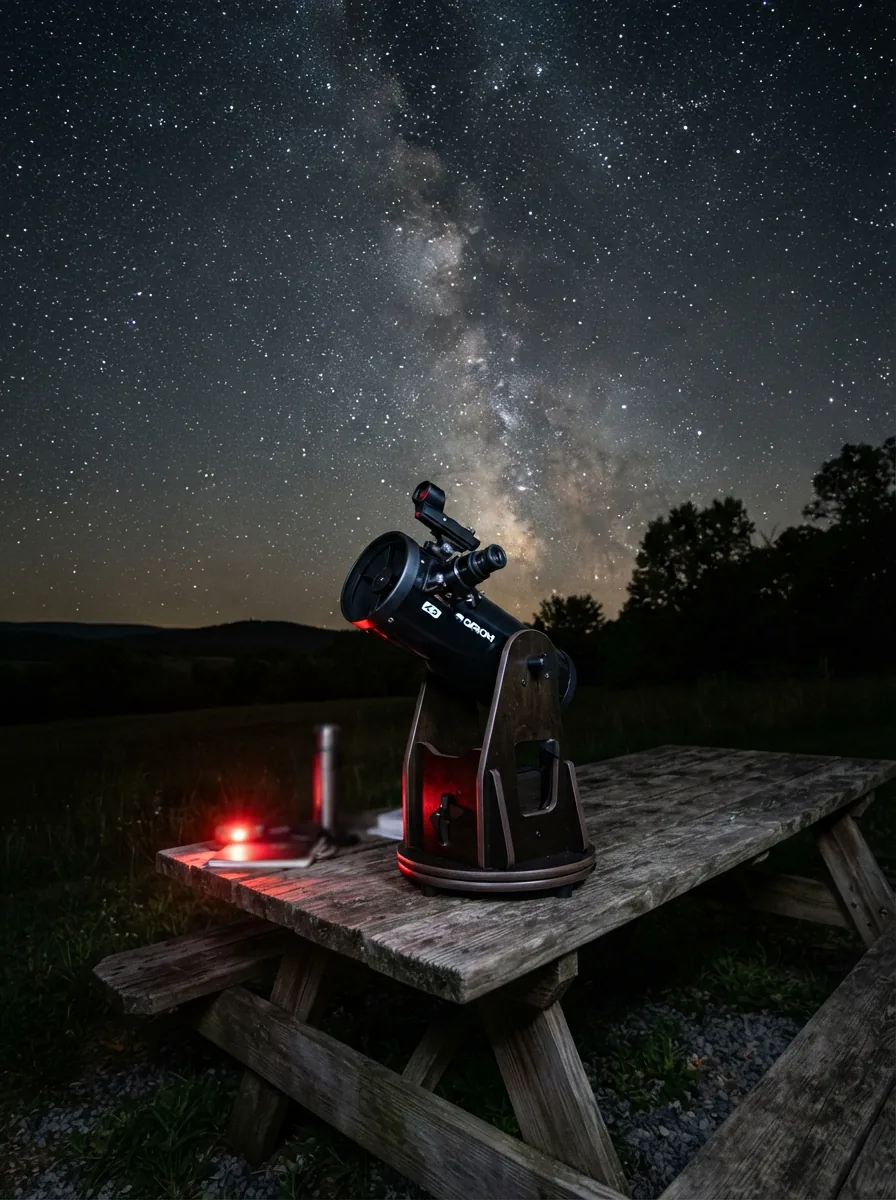
An Orion StarBlast telescope set up on a table under a starry night sky
StarBlast Telescopes

Orion StarBlast Telescope

Explore the Orion StarBlast telescope collection, a range of beginner-friendly reflectors designed for stunning lunar and planetary views. Compare tabletop simplicity with equatorial precision and complete starter kits to find your perfect entry into astronomy.

The Orion SkyQuest XT6 Classic Dobsonian Telescope fully assembled and positioned against a twilight sky.
SkyQuest Dobsonian Telescopes

Orion SkyQuest XT6 Dobsonian Telescope

Reveal the wonders of the cosmos with the Orion SkyQuest XT6, a 6-inch Dobsonian telescope offering bright, detailed views of planets, moons, and deep-sky objects. Its intuitive point-and-view design makes it the ideal, powerful starter telescope.

The Orion SpaceProbe 130ST telescope as the central subject against a dramatic night sky backdrop.
SpaceProbe & 130ST Telescopes

Orion 130ST Telescope

The Orion SpaceProbe 130ST EQ is a quality reflector telescope for more serious beginning stargazers. Its fast parabolic mirror gathers ample light, revealing details in deep-sky objects like galaxies and nebulae that smaller telescopes miss.

The Orion StarBlast 4.5 EQ Reflector Telescope prominently displayed as the main product image.
StarBlast Telescopes

Orion StarBlast 4.5 EQ Telescope

This reflector telescope offers a sizable 4.5-inch aperture and fast optics on a responsive equatorial mount, delivering bright, detailed views ideal for advancing your stargazing journey.

Orion SkyQuest XT8 Classic Dobsonian Telescope displayed prominently against a starry background.
Telescope Types & Sizes

Orion 8 Inch Dobsonian Telescope

The Orion SkyQuest XT8 Classic Dobsonian is the ultimate entry into serious amateur astronomy. Its massive 8-inch mirror gathers breathtaking light, revealing details invisible to smaller scopes, all from a simple, stable platform.